English
  Español



Every generation has believed it discovered the "right" way to care for a woman's most private skin. Ancient Egyptian women reached for honey and milk. Roman bathhouses ran on olive oil and a bronze scraper. Ottoman hamams softened the ritual with rosewater.
The impulse is old, and so is the marketing: for as long as there have been women, someone has been selling them a product promising to make an already-healthy body somehow cleaner, sweeter, more acceptable. Today that promise arrives in pastel bottles labeled "glow," "detox," and "fresh." Many of those bottles are lovely. Some of them contain ingredients that work against the very skin they claim to pamper. Before you add the latest viral wash to your cart, it helps to know what actually goes into feminine care products — and which trendy additions are better admired from a distance.
The skin of the vulva is thinner and more absorbent than the skin on your arm, and the area keeps its own quiet balance — a gently acidic environment that has protected women's bodies for centuries with no help from a shelf of products. Researchers who study this balance describe it as self-regulating. The trouble with many trending ingredients is not that they are exotic, but that they are loud: they over-clean, over-scent, and overcorrect a system that was doing fine on its own. Understanding the body's natural pH balance makes the list below read less like a warning and more like common sense. Here are seven ingredients to keep far, far away — even when the internet insists otherwise.
1. Synthetic Fragrance (Listed as "Parfum" or "Perfume")
The trend: Washes marketed as "spa-scented," "fresh linen," or "rose garden." The catch: "Fragrance" on a label is a legal catch-all that can hide dozens of undisclosed compounds, and the delicate skin here tends to react before skin anywhere else does. Many women report irritation, dryness, or a stubborn itch after switching to a heavily scented wash, then relief once they stop. Perfume also masks the body's natural scent — which is information, not a flaw. Guidance from leading women's health organizations has long steered women toward fragrance-free options for exactly this reason. If a product smells like dessert or a bouquet, that scent is doing something, and it is rarely doing it for your benefit.
2. Harsh Sulfates (Sodium Lauryl Sulfate & Sodium Laureth Sulfate)
The trend: Foaming washes and bubbly cleansers that feel luxurious and "deep cleaning." The catch: Sulfates are the same aggressive detergents that make shampoo lather, and lather is a marketing sensation, not a measure of cleanliness. On skin this sensitive, they strip away the natural oils and protective layer that keep the area comfortable. Studies exploring skin and cleansers have found that even small shifts in a product's harshness can leave sensitive skin drier and less protected than before. A gentle rinse does far more good than a mountain of suds. If your intimate wash produces the kind of foam you could shape into a beard, it is probably too strong for the job.
3. Concentrated Essential Oils (Tea Tree, Peppermint, Eucalyptus)
The trend: The "all-natural" halo — if it grows in a garden, surely it belongs on your body. The catch: "Natural" and "gentle" are not synonyms. Concentrated essential oils are potent plant chemicals, and in undiluted or high-strength form they can sting, burn, and irritate thin skin quickly. Tea tree and peppermint are frequent offenders in the DIY intimate recipes circulating online. Historically, women did use herbs and botanicals — but almost always heavily diluted, brewed, or steeped, never dabbed on at full strength from a modern bottle. The word "essential" refers to the plant's essence, not to something your body requires. When in doubt, admire the plant in the garden and keep it there.
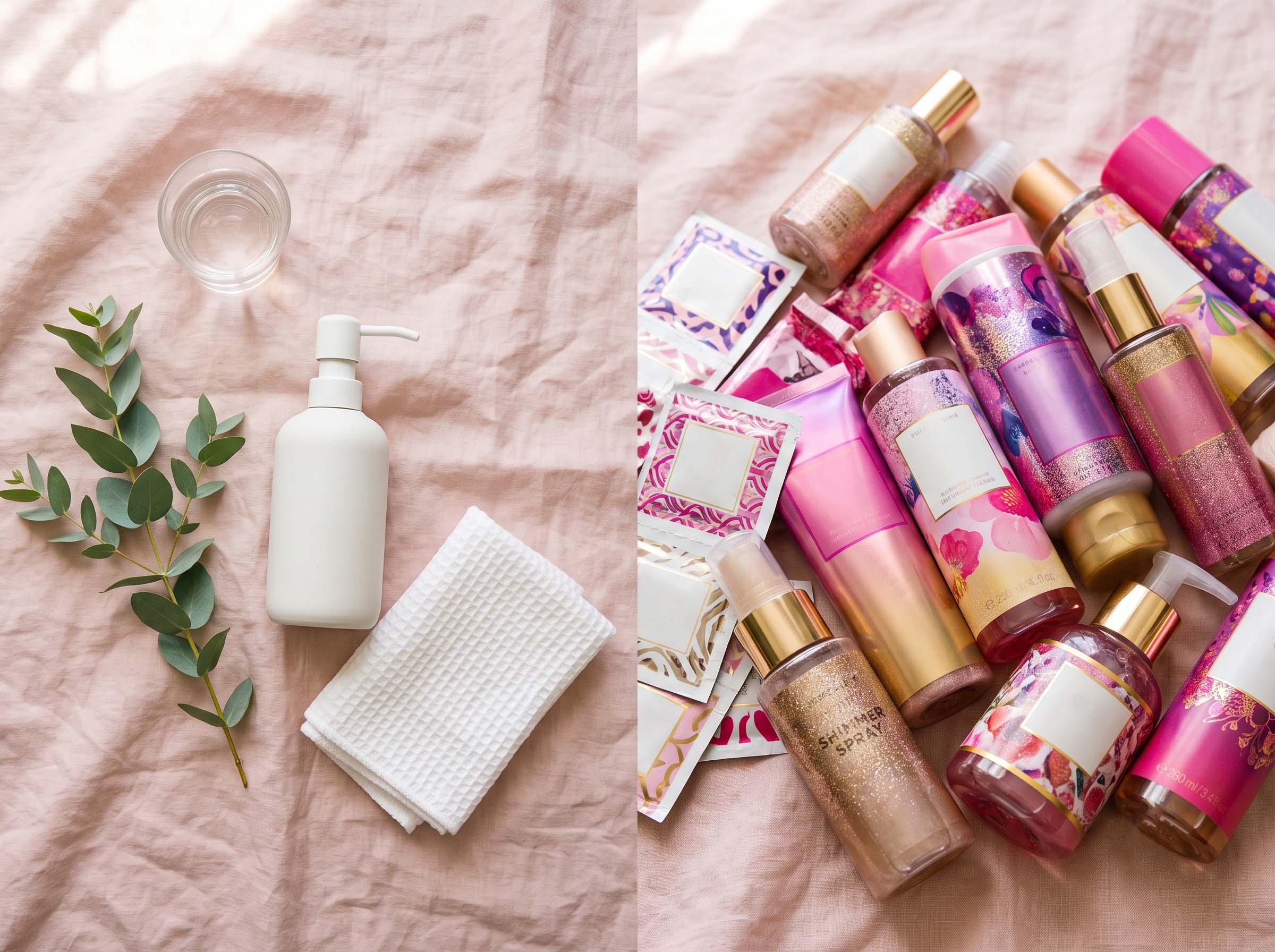
4. Baking Soda & DIY "pH Reset" Trends
The trend: Homemade pastes and soaks promising to "reset," "detox," or "alkalize," usually filmed in a bright bathroom with soft music. The catch: The area's natural environment is gently acidic by design, and baking soda is its opposite. Splashing an alkaline powder onto acidic skin is a bit like pouring lemon juice into fresh milk and hoping for the best. Many of these trends promise to fix a "problem" that was never there. The body's balance is not a machine that needs rebooting; it is closer to a well-tended garden that resents being dug up every week. A trend that asks you to correct healthy skin is selling you a worry, not a solution.
For most of recorded history, the standard advice for intimate care was strikingly modern: clean water and restraint. Roman, Egyptian, and later European women were often counseled to keep the ritual simple. The elaborate scented washes we treat as "advanced" today are, in many ways, a step away from what women once knew instinctively.
5. Glycerin-Heavy, Sugary Formulas
The trend: "Hydrating," "moisturizing," dessert-named products that promise softness. The catch: Glycerin and other sugar-based humectants feel pleasant, but in high concentrations on intimate skin they can create a sweet environment that the body's natural balance would rather avoid. This is one reason many women report that a rich, syrupy wash feels lovely in the moment and less lovely the next day. Softness is a fine goal; feeding the wrong microbes is not. Plain water and a simple, gentle cleanser deliver the comfort these products promise without the sugary aftermath.
"The body's balance is not a machine that needs rebooting; it is closer to a well-tended garden that resents being dug up every week."
6. Glitter, Shimmer & Novelty Additives
The trend: Sparkle washes, shimmer sprays, and "party-ready" novelty products designed to make an appearance, not to care for skin. The catch: Glitter is finely cut plastic or mineral, and this is the last place on the body that benefits from tiny abrasive particles, or from the dyes and binders that hold them together. These products exist because sparkle sells, full stop. The history of intimate beauty is full of ornamentation — henna, jewelry, adornment worn on the outside — yet there is a long-standing wisdom in keeping decoration and delicate skin at a respectful distance. Save the shimmer for somewhere it can do no harm.
7. Alcohol & Astringents (The "Fresh" Sting)
The trend: Wipes, sprays, and toners that promise an instant "clean," cooling, tingling feeling on the go. The catch: That tingle is often alcohol or a strong astringent drying the skin, and a sensation of "clean" is not the same as being clean. Frequent use can leave the area parched, tight, and more prone to irritation — the exact discomfort the product claimed to solve. Many women report a cycle of reaching for a wipe, feeling raw, and reaching for it again. A cool splash of water and breathable cotton do the freshening job far more kindly. If it stings, that is not the product working; that is your skin objecting.
The Trend-to-Gentle Translator
| Trending Ingredient | Why It's Popular | The Gentler Choice |
|---|---|---|
| Synthetic fragrance | Smells "clean" and pretty | Fragrance-free, plain formula |
| Harsh sulfates | Lots of luxurious foam | Low-lather, mild cleanser |
| Concentrated essential oils | Feels "natural" | Skip it; water is kinder |
| Baking soda / DIY resets | Promises a "detox" | Leave the balance alone |
| Sugary, glycerin-heavy washes | Feels "hydrating" | Simple cleanser, then rinse |
| Glitter & shimmer | Looks fun and playful | Keep sparkle off the skin |
| Alcohol & astringent wipes | That "fresh" tingle | Cool water and cotton |
There is a quiet freedom in learning that a healthy body was never a project to be managed. For all the centuries of oils, powders, perfumes, and now pastel bottles, the most reliable intimate care routine remains almost comically simple: warm water, gentle handling, breathable fabric, and a healthy suspicion of anything that promises to "fix" what was working fine. Trends will keep arriving, each certain it has found the secret. The wiser move — the one grandmothers understood long before ingredient lists existed — is to let a well-designed body do the quiet work it has always done, and to save the shelf of miracles for problems you actually have. When something does earn a place in your routine, lean toward gentle, skin-friendly ingredients and let the rest stay on the shelf.
The Simple Routine — Do
- Rinse with warm water
- Choose fragrance-free simplicity
- Wear breathable cotton
- Pat dry gently
- Read the label for "parfum"
The Simple Routine — Skip
- Scented or glittery washes
- DIY pastes and "resets"
- Full-strength essential oils
- Daily alcohol wipes
- Internal cleaning — the body handles that
Quick Questions, Honest Answers
Editorial Glossary
pH balance — a simple scale of how acidic or alkaline something is; the vulva keeps its own gently acidic setting.
Humectant — an ingredient (like glycerin) that draws in moisture; pleasant on some skin, less ideal here in heavy amounts.
Astringent — a substance that tightens and dries the skin, often the source of a "tingly fresh" feeling.
Sulfate — a strong foaming detergent used to create lather; effective for dishes and hair, too harsh for delicate skin.
Essential oil — a concentrated extract carrying a plant's scent and chemistry; potent enough to irritate when undiluted.
Disclaimer: All content on this website—including articles, educational materials, and interactive calculators—is for informational, educational, and entertainment purposes only. The calculations, percentiles, and outputs generated by tools on this site are based on general statistical data and mathematical models; they do not constitute medical data, a clinical assessment, or a diagnosis.
Nothing contained on this website is a substitute for professional medical advice, diagnosis, or treatment. Always seek the guidance of a qualified healthcare professional or urologist with any questions you have regarding physical development, anatomy, or health conditions. Reliance on any information or tools provided by this website is solely at your own risk.