English
  Español



Somewhere between the mirror and the morning rush, a lot of women notice it for the first time: the skin along the bikini line, the inner thighs, or the folds of the vulva looks a shade or two deeper than the skin around it. The first reaction is often a quiet worry that something is wrong. Almost always, nothing is.
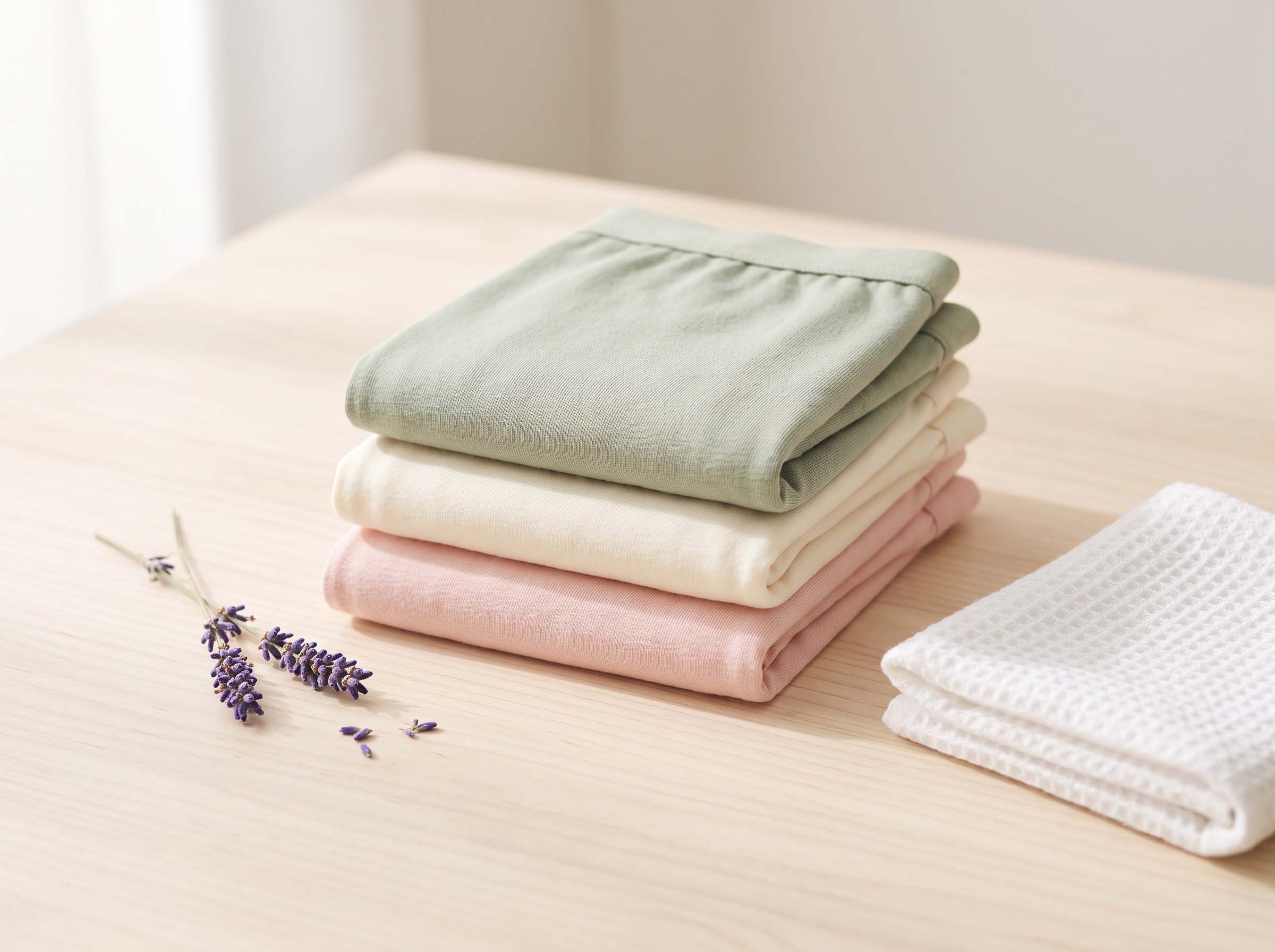
Darker skin in these areas is one of the most common and least talked-about features of the female body, and it usually has more to do with everyday life — movement, warmth, and the way clothing rubs against skin — than with anything a woman has done wrong. Choosing softer, breathable friction-reducing underwear fabrics is often the first small change that makes a difference.
Search history tells its own story here. Phrases like “dark inner thighs remedy” and “how to lighten intimate skin safely at home” are typed millions of times a year, usually late at night, usually by women who assume they are the only ones. They are not. What follows is a calm look at why this happens, what women through history have understood about it, and a gentle roadmap for those who simply want their skin to feel cared for.
What Actually Causes Darker Intimate Skin
Skin color comes from a pigment called melanin, produced by cells known as melanocytes. These cells are not evenly spread across the body, and they respond to their surroundings. Research suggests that skin exposed to steady friction, heat, and moisture tends to produce more melanin over time as a protective response. The inner thighs and bikini line sit right in the path of all three — thighs brushing together while walking, the warmth of closed clothing, the rub of seams and elastic. Over months and years, that gentle, repeated stress can leave the skin a little deeper in tone.
Hormones play their own quiet part. Studies have explored how shifts during pregnancy, the natural monthly cycle, and other ordinary changes can prompt melanocytes to become more active in the intimate zones. This is why many women first notice a change during or after pregnancy, and why the pattern can appear on its own timeline for each person. Skin tone in these areas is also partly inherited. Many women simply have naturally deeper pigment there, the same way some have freckles and others do not.
The skin of the intimate zones is among the thinnest and most sensitive on the entire body — often more delicate than the skin on your face. That is exactly why gentle care matters so much more here than the harsh scrubs and acids marketed for elbows and knees.
An Old Story Told in Many Cultures
Concern about the appearance of intimate skin is not a modern invention born of social media. Historically, societies across the world have folded intimate grooming and skin care into their beauty rituals. In parts of the ancient Mediterranean and Middle East, women used oils and mild plant pastes as part of bathing traditions that treated the whole body as worthy of attention. In South Asia, gentle turmeric and milk preparations were passed from mother to daughter for generations. What these customs shared was patience and softness — a rhythm of care rather than a quick fix.
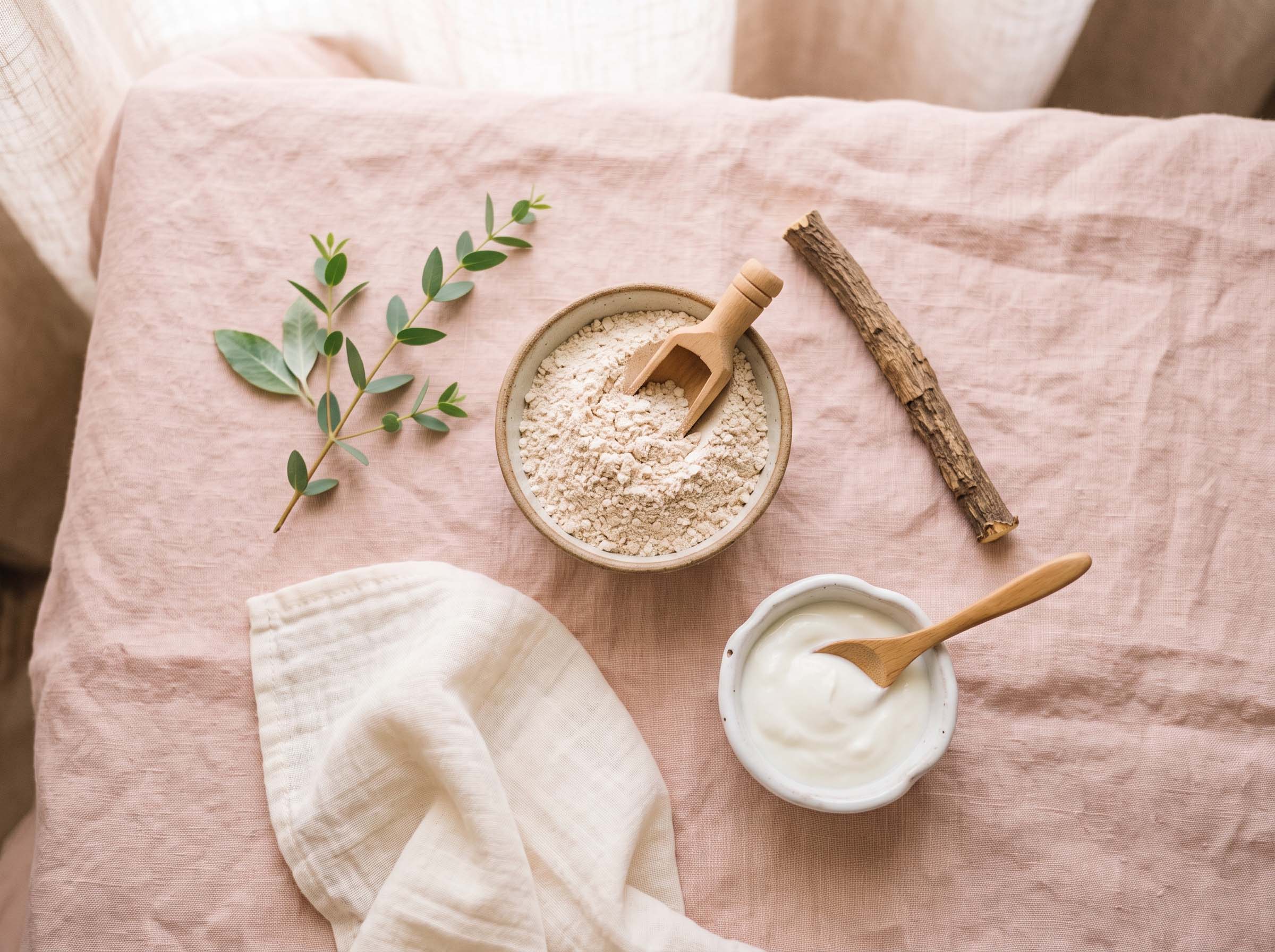
In many Mediterranean and North African bathhouse traditions, the goal of intimate care was never a single fixed skin tone. It was softness, cleanliness, and comfort. Women gathered, shared recipes handed down through families, and treated the ritual as ordinary self-respect rather than correction.
That older mindset — care for comfort, not for chasing an ideal — is one worth borrowing today.
The contrast with the modern moment is worth noticing. Where earlier generations of women learned about their bodies from mothers, aunts, and grandmothers, many women today learn from strangers online who are often selling something. Understanding where a preference comes from — and whether it is truly yours — is its own kind of freedom. Sometimes the healthiest choice a woman can make is to decide that her skin is fine exactly as it is.
A Gentle Roadmap for Home Care
For women who do want to soften uneven tone at home, the guiding principle is simple: kindness over force. The intimate zones do not respond well to aggressive lightening products, and many of the harsh options sold for this purpose can leave skin irritated, which ironically prompts even more pigment. A soft, consistent routine built around calming ingredients tends to serve women far better. Folding this into a broader, sensible everyday vulva skincare routine keeps things simple.
Several plant-derived and skin-friendly ingredients have been studied for their calming effect on skin tone. Niacinamide, a form of vitamin B3, is widely used in mainstream skincare for its gentle, evening quality. Licorice root extract has a long history in traditional care and appears in many modern formulas aimed at soothing skin. Ingredients like these are popular precisely because they are mild. Still, because intimate skin is so delicate, many women choose to talk with a dermatologist or skincare professional before starting anything new, especially if the skin is sensitive or reactive.
Gentle Ingredients at a Glance
Do
- Choose breathable cotton underwear
- Keep the skin moisturized and calm
- Reduce friction where you can
- Patch-test anything new
Don’t
- Use strong bleaching creams
- Scrub with rough exfoliants
- Apply harsh acids meant for the face
- Expect overnight change
“The gentlest routines almost always win. Intimate skin rewards patience and quietly resents force.”
When Darker Is Simply You
Here is the part that rarely makes it into the product ads: for a great many women, deeper intimate skin tone is not a flaw to be fixed at all. It is a normal feature, as much a part of a body as the shade of the lips or the palms of the hands. The female body varies enormously from woman to woman, and that range is entirely ordinary. Seeing how much natural variation in normal appearance exists can settle a worry faster than any cream.
Many women report that once they understood the ordinary reasons behind darker skin, the worry lifted on its own. A mother explaining this to a daughter, or a friend mentioning it over coffee, can do more good than a shelf of treatments. Care, if you choose it, is a personal preference — not a repair. And a woman who decides to do nothing at all has made a perfectly sound choice.
Questions Women Often Ask
The most reassuring truth about intimate skin tone is also the simplest. It is usually a sign of an ordinary body living an ordinary life — walking, moving, growing, sometimes carrying children. Whether a woman chooses to care for it gently or leave it entirely alone, the healthiest starting point is understanding, not alarm. Softness, patience, and a little knowledge tend to be all that is truly needed.
Disclaimer: All content on this website—including articles, educational materials, and interactive calculators—is for informational, educational, and entertainment purposes only. The calculations, percentiles, and outputs generated by tools on this site are based on general statistical data and mathematical models; they do not constitute medical data, a clinical assessment, or a diagnosis.
Nothing contained on this website is a substitute for professional medical advice, diagnosis, or treatment. Always seek the guidance of a qualified healthcare professional or urologist with any questions you have regarding physical development, anatomy, or health conditions. Reliance on any information or tools provided by this website is solely at your own risk.