English
  Español
  Português



Walk through the underwear aisle of any department store and you will find a wall of choices: lace-trimmed thongs, sporty cotton briefs, moisture-wicking blends, silky-smooth synthetics in every colour of the rainbow. What the packaging rarely tells you is how each of those fabrics actually behaves against the most sensitive skin on a woman's body — and why that matters far more than the cut, the colour, or the price tag.
This is not a conversation about modesty or preference. It is an investigation into textile science, garment history, and the surprisingly complex relationship between fabric and feminine comfort. Because the vulva — the external tissue that surrounds and protects — is not just sensitive skin. It is skin that exists in a warm, humid microenvironment, and what covers it influences that environment in measurable ways.
“The vulva exists in a warm, humid microenvironment, and what covers it influences that environment in measurable ways.”
— Clara VossA Brief History of What Women Have Worn Underneath
Historically, societies have understood undergarments primarily as a function of modesty and warmth rather than intimate hygiene. Ancient Egyptian women wore linen loincloths — linen being one of the earliest woven fibres, prized for its breathability in hot climates. Roman women used subligaculum, a wrapped linen cloth worn directly against the body. For centuries across Europe and Asia, women of means wore loosely fitted linen shifts beneath their outer garments, a layer of protection between the body and heavier wool or silk.
Cotton did not become widely accessible to the average woman until industrial spinning transformed the textile trade in the late eighteenth and nineteenth centuries. Before that, linen was the everyday fabric, and silk was reserved for the very wealthy. The modern concept of fitted underwear — designed to sit directly against the vulva and perineum — is, in historical terms, quite new. And the synthetic revolution of the twentieth century, which brought nylon, polyester, and elastane into mass production, is newer still.
What is striking is that for the vast majority of human history, women wore natural fibres by default — not by design, but by necessity. The scientific understanding of why that might have been advantageous for intimate comfort is a much more recent development.
What the Science Tells Us About Fabric and Skin
Research suggests that the skin of the vulvar region is significantly more permeable than skin elsewhere on the body, which means it absorbs — and reacts to — topical exposures more readily. Studies exploring contact dermatitis and intimate discomfort have consistently pointed to fabric type as one of several environmental variables worth examining.
The key properties researchers look at are:
- Breathability — how freely air circulates through the weave
- Moisture management — whether a fabric wicks, absorbs, or traps moisture
- Thermal regulation — how the fabric affects local skin temperature
- Chemical residues — dyes, finishes, and manufacturing treatments left in the fabric
- Friction and weave texture — how the fabric moves against delicate skin
Each fabric performs very differently across these variables. And not all of them perform the way their marketing suggests.
🌸 Cultural Insight
The Silk Road and Women's Skin
Chinese imperial court records dating to the Han dynasty (206 BCE–220 CE) document the use of fine mulberry silk for the innermost garments of palace women. Court physicians noted that coarser fabrics caused skin irritation — one of the earliest recorded observations linking textile quality to intimate comfort. Silk's journey along trade routes brought it to women across Central Asia, the Middle East, and eventually Europe, where it remained a luxury specifically prized for its feel against the skin.
Cotton: The Gold Standard — With Caveats
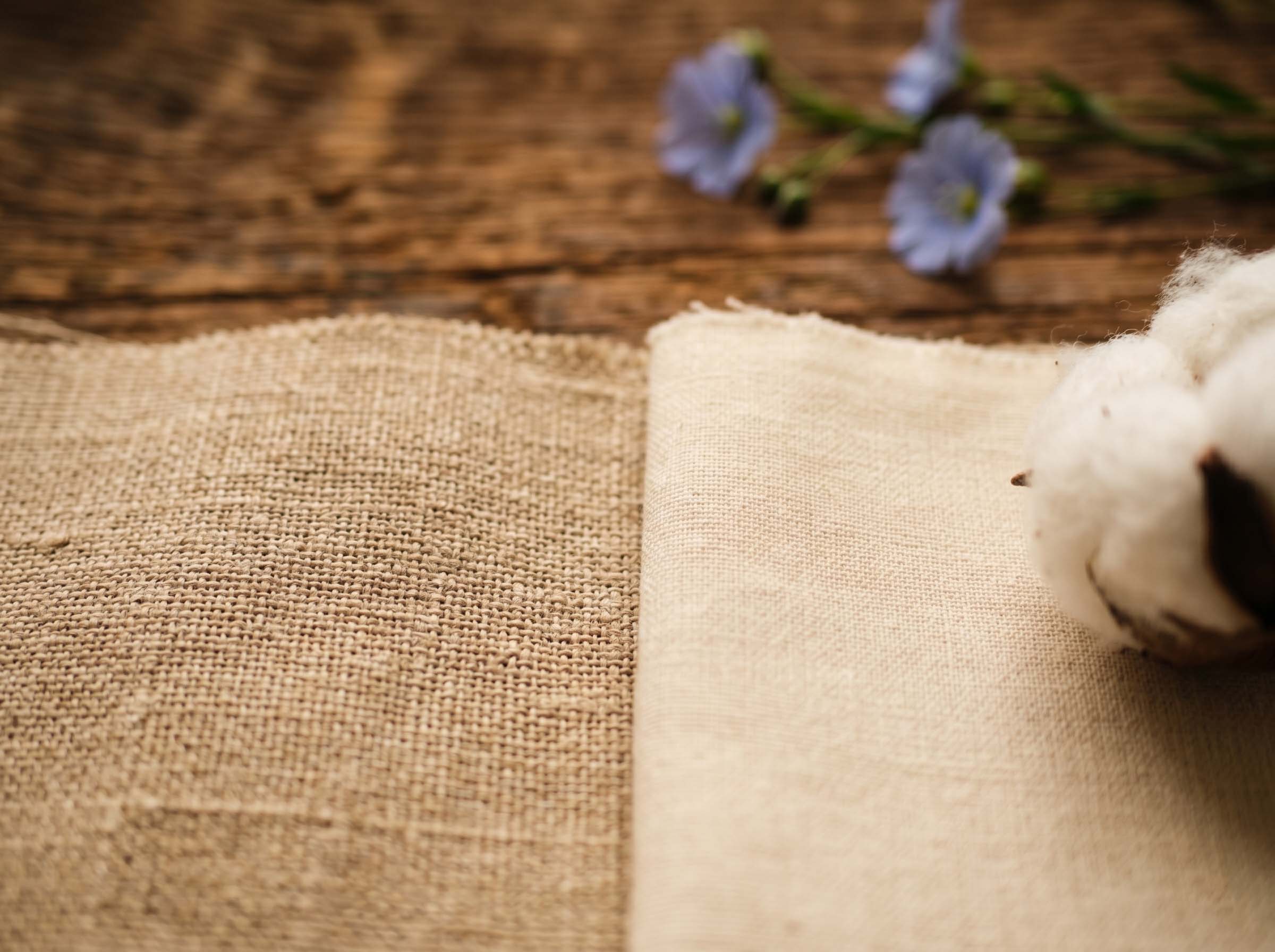
Cotton is the fabric most commonly recommended for underwear, and with good reason. It is a natural, plant-based fibre with an open weave that allows air to move freely. It absorbs moisture rather than repelling it, which means sweat is drawn away from the skin surface. For most women in most circumstances, plain cotton remains a reliable choice.
Many women report that switching to 100% cotton underwear — particularly after periods of discomfort — produces a noticeable difference. Studies exploring vulvar contact dermatitis have noted that tight-fitting, synthetic undergarments appear with some frequency among women reporting recurrent irritation.
However, cotton is not without its complications. First, the cotton industry is one of the world's most heavily sprayed crops, and residual pesticide and chemical finishing treatments can remain in fabric after processing. Certified organic cotton addresses this concern, though it comes at a higher price point. Second, cotton absorbs moisture but does not dry quickly — during intense physical activity, damp cotton can create prolonged contact with moisture, which may itself contribute to discomfort. Third, much of what is sold as "cotton" underwear contains a percentage of elastane or spandex for stretch and shape retention. A gusset lined in 100% cotton in a predominantly synthetic garment is a partial solution, but not quite the same as a garment constructed entirely from natural fibre.
💡 Did You Know?
The term "Egyptian cotton" refers to Gossypium barbadense, a long-staple variety grown in the Nile Delta region. Its longer fibres produce a finer, softer, and more durable thread — which is why it commands a premium. When used in underwear, long-staple cotton creates a smoother surface against the skin compared to shorter-staple varieties, which can feel slightly coarser.
Silk: Luxurious, Ancient, and Genuinely Functional
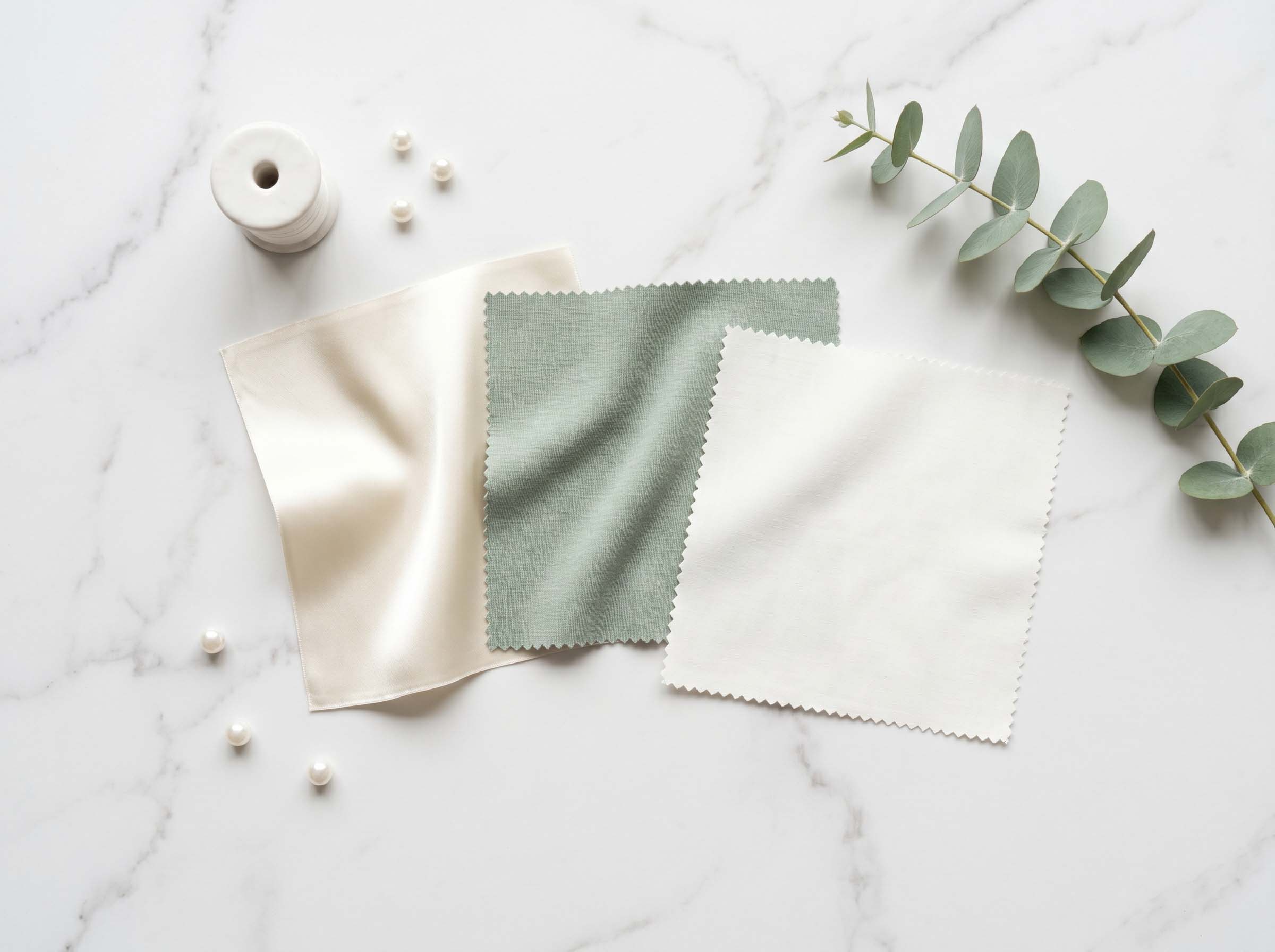
Silk has a reputation as a purely indulgent fabric, but research into its properties suggests there is more substance behind the luxury than most people assume. Silk is a protein fibre — its structure is composed of amino acids, making it chemically closer to human skin than any plant or synthetic fibre. Studies have explored silk's natural temperature-regulating properties: it is warm in cool conditions and cool against the skin in warmer ones, a characteristic that comes from its unique triangular fibre cross-section, which reflects light and manages air differently from other materials.
Silk also has a notably smooth surface texture. The exceptionally low friction between silk and skin means it tends not to cause the mechanical irritation that rougher weaves can produce. For women who experience sensitivity or chafing, this is a meaningful functional advantage, not just an aesthetic one.
The practical limitations of silk are real, however. It requires delicate laundering, degrades in direct sunlight, is sensitive to perspiration, and is significantly more expensive than other natural alternatives. It is also not a strong moisture absorber — it wicks slightly but does not manage high moisture loads the way cotton does. For everyday wear, many women find silk best reserved for occasions or for lighter-activity days.
Bamboo: The Newcomer With a Complex Story
Bamboo fabric has been heavily marketed over the past fifteen years as the ideal natural, eco-friendly, skin-friendly alternative to cotton. The claims are appealing: antibacterial properties, exceptional softness, superior moisture-wicking, and sustainability credentials. The reality is more layered.
Most "bamboo" fabric is actually bamboo viscose — also known as bamboo rayon. To transform the hard bamboo plant into a soft textile, manufacturers use a chemical process involving strong solvents, typically sodium hydroxide and carbon disulphide, to dissolve the bamboo pulp into a liquid that can then be extruded into fibres. The resulting fabric has a lovely, silky drape and softness. But the finished fibre is chemically quite distant from the original plant. Many of the antibacterial properties attributed to raw bamboo are largely eliminated during this processing.
The exception is bamboo linen — sometimes called mechanically processed bamboo — which retains more of the plant's original properties but is rougher in texture and less common. The US Federal Trade Commission has issued guidance requiring that bamboo viscose products be accurately labelled as viscose or rayon rather than "bamboo," precisely because the processing so thoroughly alters the raw material.
That said, bamboo viscose is genuinely soft and does have reasonable moisture-management properties. For women who find cotton too rough or silk too high-maintenance, bamboo viscose can be a practical middle ground — just with clearly calibrated expectations about what it is and is not.
✅ Quick-Start Guide: Choosing Your Fabric
What to look for — and avoid — on the label
✔ Look For
- 100% cotton gusset (minimum)
- GOTS-certified organic cotton
- OEKO-TEX certified fabrics
- Mulberry silk for sensitive days
- Bamboo linen if you prefer bamboo
- Loose weave and breathable cut
✘ Approach with Caution
- 100% polyester or nylon underwear
- "Bamboo" with no processing details
- Synthetic fabrics worn all day
- Heavily dyed or printed fabric in gusset
- Fabric softener on intimate garments
- G-strings worn for extended periods during high activity
The Worst Offenders: Synthetic Fabrics
Polyester, nylon, acrylic, and acetate are the dominant synthetic fibres used in fashion underwear. They are inexpensive, durable, and excellent at holding shape, dye, and texture — which is why the lingerie industry relies on them heavily. As intimate fabrics, however, they perform poorly on the measures that matter most for vulvar skin comfort.
Synthetic fibres are hydrophobic — they repel moisture rather than absorbing it. This means that sweat and natural secretions remain on the skin surface rather than being drawn into the fabric. Warmer temperatures plus trapped moisture create conditions that many women find uncomfortable. Research into intimate hygiene and recurrent discomfort has repeatedly flagged prolonged exposure to occlusive, non-breathable fabrics as a contributing environmental factor.
The dye issue compounds this. Synthetic fabrics require different dye chemistry than natural fibres, and some of these synthetic dyes — particularly azo dyes — have been associated with skin sensitisation in higher-exposure contexts. Many women report that switching away from brightly coloured synthetic underwear reduces reactive sensitivity, though individual responses vary considerably.
None of this means that all synthetic underwear is harmful or that wearing it occasionally is dangerous. Context and duration of wear matter. A synthetic sports bra worn for a two-hour workout is a different proposition from a non-breathable synthetic thong worn for twelve hours of daily life.
The OEKO-TEX Standard 100 certification is one of the most reliable indicators of fabric safety. It tests for over 100 harmful substances across all components of a finished textile — including thread, buttons, and dyes — and sets stricter limits for items that come into prolonged contact with skin. Looking for this certification on underwear packaging is a practical first filter when choosing intimate fabrics.
The Fabric Ranking: A Practical Breakdown
Table: Fabric Comparison for Vulvar Comfort
| Fabric | Breathability | Moisture Management | Skin-Friendliness | Practicality | Overall Rating |
|---|---|---|---|---|---|
| Organic Cotton | ⭐⭐⭐⭐⭐ | ⭐⭐⭐⭐ | ⭐⭐⭐⭐⭐ | ⭐⭐⭐⭐⭐ | Best Choice |
| Conventional Cotton | ⭐⭐⭐⭐⭐ | ⭐⭐⭐⭐ | ⭐⭐⭐⭐ | ⭐⭐⭐⭐⭐ | Very Good |
| Mulberry Silk | ⭐⭐⭐⭐ | ⭐⭐⭐ | ⭐⭐⭐⭐⭐ | ⭐⭐⭐ | Excellent (special occasions) |
| Linen | ⭐⭐⭐⭐⭐ | ⭐⭐⭐⭐⭐ | ⭐⭐⭐⭐ | ⭐⭐⭐ | Very Good |
| Bamboo Viscose | ⭐⭐⭐ | ⭐⭐⭐ | ⭐⭐⭐ | ⭐⭐⭐⭐ | Good (with caveats) |
| Modal | ⭐⭐⭐ | ⭐⭐⭐ | ⭐⭐⭐ | ⭐⭐⭐⭐ | Moderate |
| Polyester / Nylon | ⭐ | ⭐ | ⭐⭐ | ⭐⭐⭐⭐⭐ | Avoid for daily wear |
| Lace (synthetic) | ⭐⭐ | ⭐ | ⭐⭐ | ⭐⭐⭐ | Decorative only |
What About Moisture-Wicking Athletic Fabrics?
Performance underwear and athletic wear occupy their own category. Fabrics designed for sport are engineered to move sweat rapidly away from the skin surface and disperse it across a wider area to promote evaporation — a process called wicking. High-quality moisture-wicking synthetics can perform this function better than cotton during exercise because they dry more quickly.
The key distinction is duration and activity. A well-engineered athletic fabric worn during exercise and then changed promptly is a different scenario from a synthetic fabric worn all day without activity. Many women find that a practical approach involves athletic-grade fabrics for exercise and natural fibres for daily wear — not because the synthetic is categorically problematic, but because prolonged daily wear in a warm environment is where the breathability gap matters most.
The Laundry Factor: How Washing Affects Your Fabrics
Fabric choice alone is only part of the story. How underwear is laundered affects its properties and what it deposits back on the skin. Research suggests that scented laundry detergents and fabric softeners are among the most common sources of contact allergens for sensitive skin. A certified gentle or fragrance-free detergent designed for sensitive skin is a straightforward change that many women report making a difference — regardless of fabric type.
Hot water washing can help sanitise cotton but may shorten the life of natural fibres and elastic. Over-washing with harsh detergents degrades fibre integrity. A cooler wash with a mild, fragrance-free detergent, followed by air drying, is generally recommended for intimate garments of all fabric types.
For silk specifically, the OEKO-TEX Standard 100 certification provides a baseline guarantee that a fabric has been tested for harmful substances — covering both the raw fibre and the finished product, including dyes and chemical finishes. It is worth looking for on packaging, particularly for items worn closest to the skin.
📊 By the Numbers
- 65% — Approximate share of women's underwear sold globally made from synthetic fibres or synthetic blends (industry estimates, 2023)
- 100+ — Number of substances tested for under OEKO-TEX Standard 100 certification
- ~8,000 — Years of documented linen use in human clothing, tracing back to ancient Egypt and the Fertile Crescent
- 30% — Approximate difference in skin temperature that breathable vs. occlusive fabrics can produce in warm conditions (textile research estimates)
A Note on Linen: The Underrated Original
Linen is, in a quiet way, the most historically significant intimate fabric in human history, and it deserves acknowledgment in any honest ranking. Made from flax fibre, linen is stronger than cotton, faster-drying, and has a natural texture that softens with washing. It is highly breathable and has a long track record of use directly against skin across dozens of cultures and thousands of years.
Its practical limitation in the modern underwear market is largely about texture and cost. Linen is stiffer than cotton or silk when new and requires a break-in period. It is also less available as an underwear fabric than cotton, though it appears more often in summer-weight garments in European and Mediterranean markets. Women who work in warmer climates or experience significant discomfort in other fabrics sometimes report that linen underwear — once softened through repeated washing — performs better than any alternative.
The Honest Bottom Line
The textile industry is not inherently designed with vulvar comfort as a priority. Garments are designed for appearance, cost efficiency, durability, and stretch — and then marketed with skin-friendly language that does not always reflect the underlying fabric science. Understanding what is actually in your underwear, how it is processed, and how it behaves against sensitive skin is a form of practical self-knowledge that most women are never given at school or by any authority.
The research-supported hierarchy is reasonably clear: organic cotton leads for everyday use, silk for its unique properties when practicality allows, linen for those who prioritise breathability above all, and bamboo viscose as a decent soft option when claims are taken at face value rather than marketing value. Synthetics have their place in sport and active wear, but for daily life, they consistently underperform natural fibres on the measures that matter most for intimate skin comfort.
Fabric choice is one small, concrete part of the broader conversation about how women care for their bodies. It does not need to be complicated — but it does deserve more than a glance at the packaging.
📖 Continue Reading
Your Questions, Answered
Disclaimer: All content on this website—including articles, educational materials, and interactive calculators—is for informational, educational, and entertainment purposes only. The calculations, percentiles, and outputs generated by tools on this site are based on general statistical data and mathematical models; they do not constitute medical data, a clinical assessment, or a diagnosis.
Nothing contained on this website is a substitute for professional medical advice, diagnosis, or treatment. Always seek the guidance of a qualified healthcare professional or urologist with any questions you have regarding physical development, anatomy, or health conditions. Reliance on any information or tools provided by this website is solely at your own risk.