日本語
日本語  Deutsch
  English
  Español
  Français
  Português



In a quiet corner of a sun-drenched plaza in Antigua, Guatemala, three generations of women sit on a wrought-iron bench. The grandmother, her face a map of decades spent under the Central American sun, speaks in low, rhythmic tones while her daughter listens, nodding slowly.
The youngest, a girl of barely ten, rests her head on her mother’s shoulder, watching the world go by. There is no urgency here, no frantic checking of screens, and no clinical discussion of "self-care." Instead, there is a palpable sense of belonging, a quiet strength that suggests these women know something about the human spirit that the modern, secular West has perhaps forgotten.
As a cultural analyst, I have often looked at how traditional societies maintain their internal balance. When we look at Latin America, we see a region that has faced significant historical trials, economic shifts, and social upheavals. Yet, the women of these nations—from the mountains of Peru to the coastal cities of Colombia—consistently demonstrate a remarkable level of emotional fortitude. Their approach to wellbeing is not found in expensive retreats or trendy apps; it is found in the kitchen, the church, and the deep-rooted commitment to the family unit.
The Sanctuary of the Family
Cultural Insight: The Abuela
In Latin American households, the Abuela (grandmother) is the ultimate emotional anchor. She is not just a relative; she is the guardian of the family's history and the first person women turn to for advice on motherhood, marriage, and emotional trials.
In many Western nations, the pursuit of individual happiness has become the primary goal. We are taught to prioritize our personal "journey" above all else. In Latin American culture, however, the individual is rarely viewed in isolation. A woman’s emotional health is inseparable from the health of her family. This "familismo" is the bedrock of their resilience.
For a mother in Mexico or Brazil, the burden of stress is rarely carried alone. The extended family—grandparents, aunts, cousins—acts as a natural shock absorber for the trials of life. When a woman faces a personal crisis or the exhaustion of new motherhood, she does not look for a support group of strangers. She looks to her mother or her sisters. This traditional structure provides a sense of security that modern social programs cannot replicate.
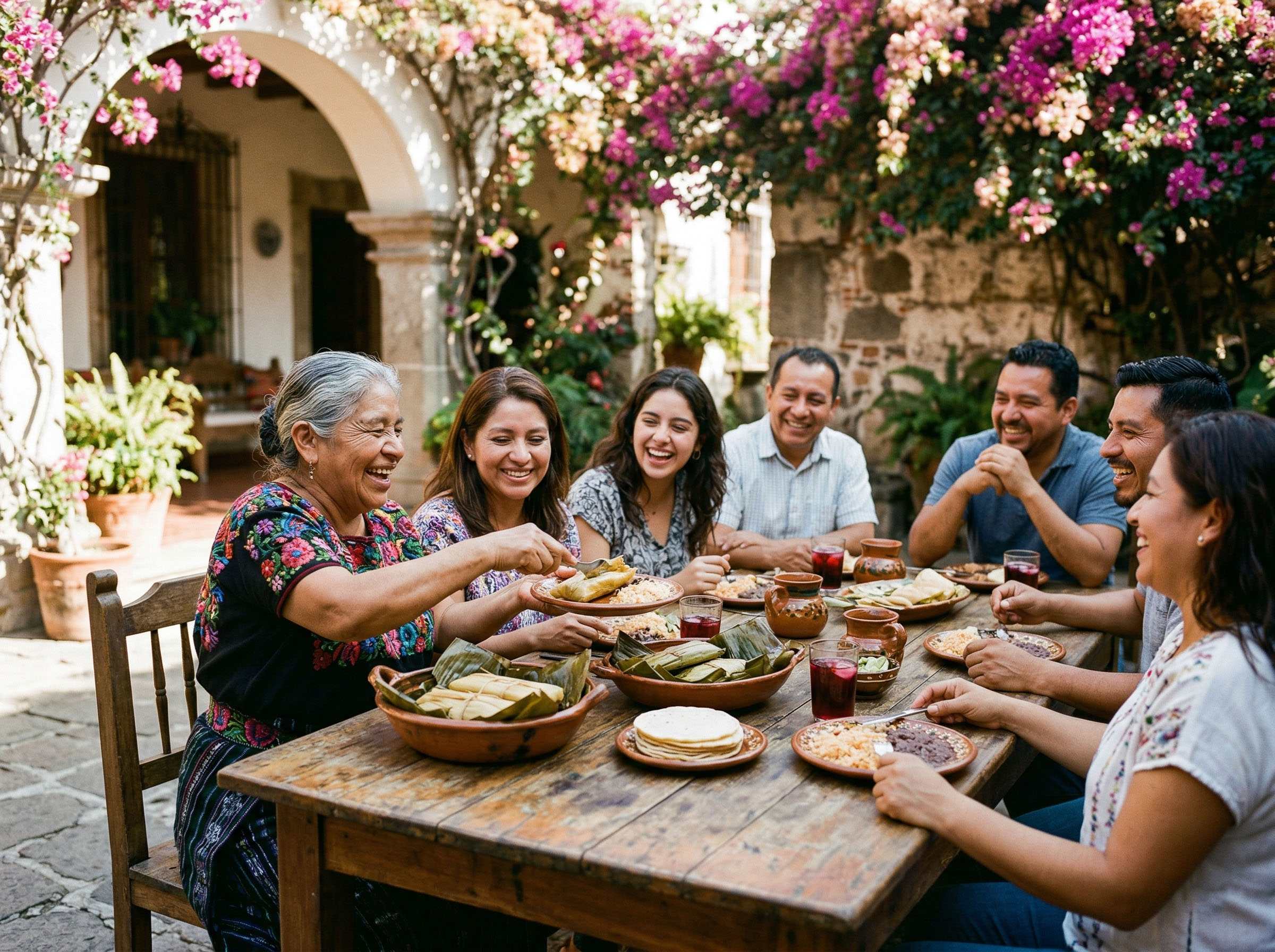
The role of the grandmother, or abuela, is particularly significant. She is the keeper of history and the arbiter of wisdom. In many Latin households, her presence ensures that younger women stay grounded. She reminds them that their current struggles are but a season, part of a larger story that began long before them and will continue long after. By placing her life within this historical context, a woman can find the perspective needed to handle stress without becoming overwhelmed.
Faith as a Foundation for Healing
To talk about emotional wellbeing in Latin America without discussing faith would be to ignore the very air these women breathe. Catholicism, and increasingly various Protestant denominations, provides a framework for understanding suffering and finding hope.
For the Latin woman, prayer is not merely a religious obligation; it is an emotional release. The act of lighting a candle for a sick child or asking a saint for intercession is a way of externalizing worry. It moves the burden from the woman’s shoulders to the hands of a higher power. This surrender is a powerful tool against the paralyzing effects of trauma.
In many communities, the church also serves as the primary social hub. It is where women gather to organize festivals, support the poor, and share their lives. This communal devotion creates a shared identity. When a woman suffers a loss, the "novena"—nine days of public prayer—ensures that she is surrounded by her community. She is literally prayed through her grief. This traditional approach to trauma healing focuses on presence and ritual rather than isolation and analysis. It recognizes that the soul needs more than just talk; it needs connection to the divine and the neighbor.
"The kitchen is the heart of Latin American wellbeing, where the soul of the home is nourished through the simple, rhythmic act of feeding those we love."
The Kitchen: A Place of Emotional Restoration
If the church is the soul of Latin American wellbeing, the kitchen is its heart. There is a profound connection between the preparation of food and the emotional stability of the home. In traditional Latin culture, the woman is the provider of nourishment, a role held with immense pride.
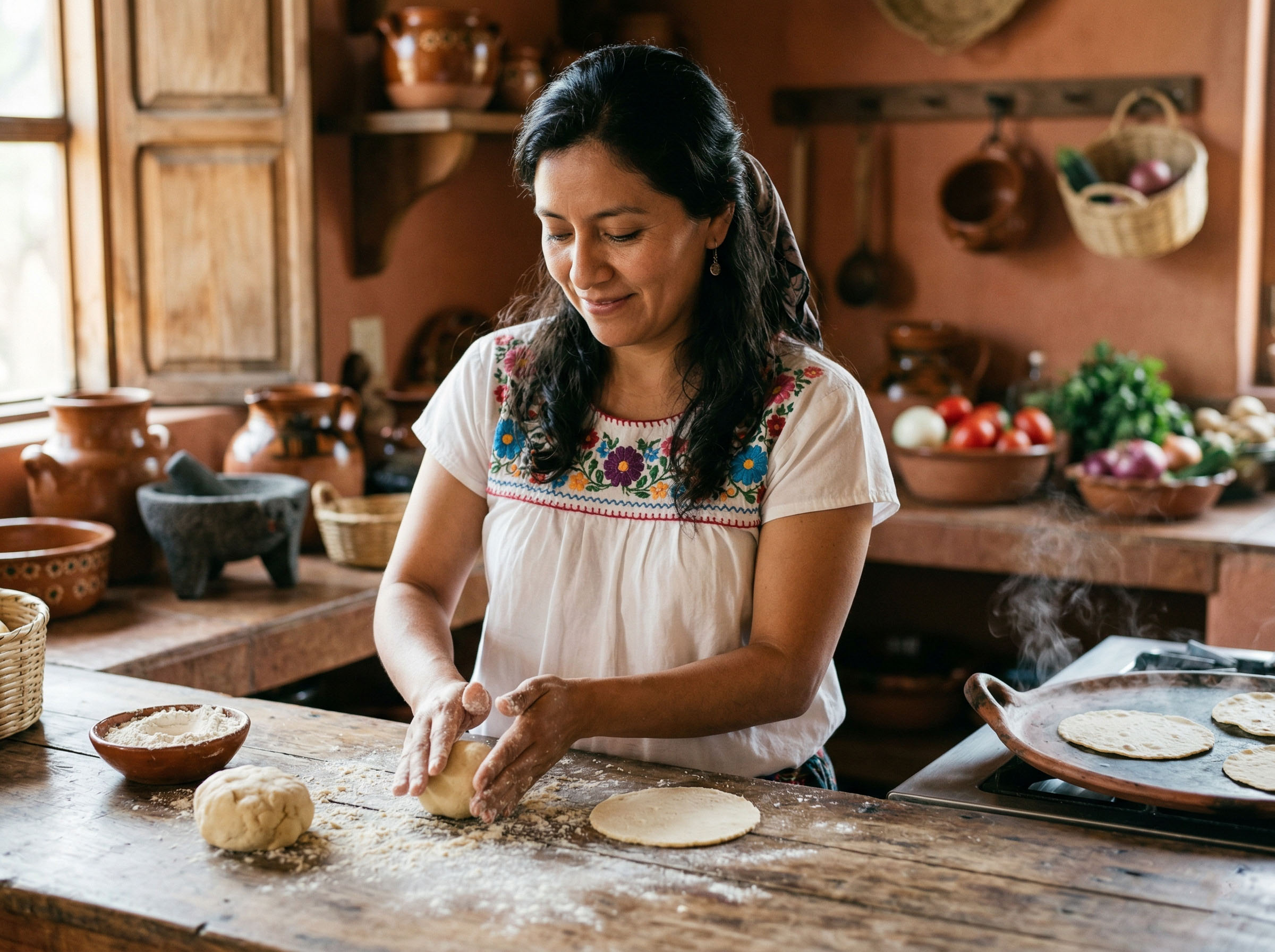
The process of making tortillas by hand or simmering a slow stew for hours is almost meditative. It requires a presence of mind that pulls a woman away from her anxieties and into the physical world. Moreover, the act of feeding others is a source of profound satisfaction. It is a tangible way to express love and maintain the bonds of the family.
Food in this context is never about "fuel" or "macros." It is about heritage and comfort. When a daughter is sad, her mother makes her favorite caldo. When a neighbor is struggling, a plate of food is brought to the door. This culture of sharing through food prevents the isolation that so often leads to depression in more individualistic societies. It turns a basic necessity into a constant, repeating cycle of care and concern.
Body Image and the Value of Vitality
One of the most striking differences between Latin American and Western views on women’s wellbeing is the approach to body image. While the influence of global media is certainly felt, there remains a strong traditional preference for a woman who looks healthy, strong, and capable.
In many Latin cultures, the "ideal" woman is not the waif-like figure often seen on European runways. Instead, there is an appreciation for curves and a certain "fullness" that signals vitality and the ability to care for a family. This perspective is deeply tied to the traditional role of women as life-givers and nurturers. A body that can carry children and manage a household is a body that is respected.
This cultural acceptance provides a significant buffer against the body-related stress that many Western women face. There is a focus on gracia—a certain grace and charm in movement and dress—rather than a strict adherence to a specific dress size. Women are encouraged to be feminine and to take pride in their appearance, but the goal is often to be "atractiva" for their husbands and community in a way that celebrates their natural shape. This creates a more forgiving environment for women as they age and their bodies change through motherhood.
Comparing Cultural Pillars of Wellbeing
| Pillar | Traditional Focus | Emotional Result |
|---|---|---|
| Faith | Surrender to a higher power | Reduced anxiety and burden |
| Family | Interdependence and loyalty | Strong social safety net |
| Identity | Pride in traditional roles | Deep sense of purpose |
Ancient Remedies and the Physical-Emotional Connection
Long before the rise of modern pharmacology, Latin American women relied on remedios caseros—home remedies—to manage both physical and emotional ailments. This tradition, often passed down from mothers to daughters, treats the mind and body as a single unit.
If a woman is feeling anxious or "nerviosa," she might be given a tea made of manzanilla (chamomile) or azahar (orange blossom). If she has suffered a sudden fright or emotional shock, the community might speak of susto, a condition where the soul is thought to be unsettled. The "cure" often involves a combination of herbal baths, prayers, and social support.
While some might dismiss these practices as mere folklore, they serve a vital emotional purpose. They acknowledge that our emotions have physical consequences. By treating the "nerves" with a warm drink and a quiet conversation, these women are practicing a form of sensory grounding. It is an honest acknowledgment that we are not just thinking beings, but physical ones who need comfort and soothing when life becomes too heavy.
Resilience Through "Ganas"
There is a word used often in Spanish-speaking households: ganas. It roughly translates to "will" or "desire," but in the context of emotional health, it means something much deeper. It is the grit and determination to keep going, even when the situation is dire.
Latin American women are often raised with a strong sense of duty. This duty is not seen as a burden, but as a source of meaning. A mother keeps going because her children need her. A daughter works hard to honor her parents. This focus on responsibility outward, rather than just inward, creates a resilient spirit. When a woman has ganas, she is less likely to fall into the trap of self-pity. She looks at her challenges and finds the strength to move forward, supported by her faith and her family.
This resilience is also seen in the way Latin American women handle national or economic hardships. They are experts at "hacer de tripas corazón"—making a heart out of tripe, or making the best of a bad situation. This ability to find joy in small things, to dance even when money is tight, and to celebrate life despite its difficulties, is perhaps their greatest gift to the world of emotional wellbeing.
Latin American Resilience by the Numbers
- 90%+: The percentage of Latin Americans who identify as religious, providing a strong foundation for spiritual health.
- Multi-Gen: Over 60% of households in many regions include extended family members, reducing maternal isolation.
- 70%: Percentage of women who report that family is their primary source of emotional strength.
Lessons for the Modern Woman
As we look at the lives of women in Latin America, we find a model of wellbeing that is both ancient and refreshing. It is a model that rejects the idea that we must "go it alone." It suggests that our emotional health is found in our connections to others and our commitment to our traditional roles.
For the modern woman, the lessons are clear:
- Prioritize the Village: We were never meant to raise children or handle stress in isolation. Reclaiming the importance of the extended family and the local community can provide the support we are so often missing.
- Embrace Ritual: Whether it is a religious practice or a simple family meal, rituals provide the structure our minds need to feel safe and grounded.
- Nourish the Spirit: Wellbeing is not just about the absence of illness; it is about the presence of meaning. Finding a higher purpose, whether through faith or service to the family, provides a buffer against the anxieties of the world.
- Respect the Body: Moving away from unrealistic standards and toward an appreciation for health and vitality can release us from the cycle of body-related shame.
Quick-Start: Applying Traditional Wisdom
The Do's
- Schedule a weekly multi-generational meal.
- Practice daily moments of prayer or reflection.
- Use natural teas for evening relaxation.
The Don'ts
- Don't isolate yourself when feeling stressed.
- Don't prioritize screens over face-to-face family time.
- Don't ignore the wisdom of older family members.
In the end, the Latin American approach to emotional health is an honest one. It does not promise a life without pain or a world without stress. Instead, it provides the tools—faith, family, and tradition—to move through that pain with grace. It reminds us that the feminine spirit is at its strongest when it is anchored in the home and heart of the community.
As we look toward the future, perhaps the best way to move forward is to look back at these enduring values. By honoring the traditional roles of men and women and the sacredness of the family, we can find a path to emotional wellbeing that is as steady and bright as a Guatemalan afternoon.
Common Questions on Traditional Wellbeing
Understanding the Latin American Wellness Philosophy
To further understand how these cultural elements work together, it is helpful to see the pillars of support that many Latin American women rely on daily.
This structure ensures that no matter what life throws her way, a woman has a safety net. It is a system built on the reality of the human condition, acknowledging our need for one another and for a connection to something greater than ourselves. In preserving these traditional values, Latin American women continue to show the world what it means to be truly resilient.
In Brief
- Emotional health in Latin America is rooted in family and faith.
- The home, particularly the kitchen, serves as a site of healing and connection.
- Traditional roles provide women with a resilient sense of purpose and identity.
Disclaimer: This content is for informational and educational purposes only and does not constitute medical advice. It is not intended to be a substitute for professional diagnosis or treatment. Always consult with a qualified healthcare provider regarding any medical condition or treatment plan. Never disregard professional medical advice because of something you have read here.