日本語
日本語  Deutsch
  English
  Español
  Français
  Português



There is a quiet kind of knowledge that travels through generations of women. It moves in hushed conversations between mothers and daughters, in the products lined up on the edge of a bath, in herbal sachets tied to a market stall in a Marrakech souk. It is practical, intimate, and deeply personal — and it varies enormously depending on where in the world you were born.
Vaginal hygiene is one of those subjects that most women handle privately, following the habits they learned at home. But look across cultures and you discover a genuinely fascinating array of practices — some strikingly similar to the latest science-backed guidance, others rooted in centuries of tradition that modern medicine is only beginning to catch up with. A few, it must be said, carry real risks.
This is not a prescription. Think of it as an explorer's guide — a look at what women in different parts of the world actually do, why they do it, and what any curious modern woman might learn from them.
There is a quiet kind of knowledge that travels through generations of women — practical, intimate, deeply personal, and entirely shaped by where in the world you were born.
— Amara Leclerc
First, What the Body Actually Needs
Before we travel anywhere, a brief orientation is worthwhile. The vagina is a self-cleaning organ. It maintains its own internal environment through natural discharge and a carefully balanced community of bacteria — primarily lactobacillus species — that keep the pH between roughly 3.8 and 4.5. That mild acidity is what protects against infections.
The vulva — the external area — does require gentle washing, ideally with water and possibly a mild, unscented product formulated for that area. The internal vagina requires nothing from us at all. This is a distinction that cultures around the world handle very differently, and the gap between external care and internal intervention is where things get interesting — and occasionally risky.
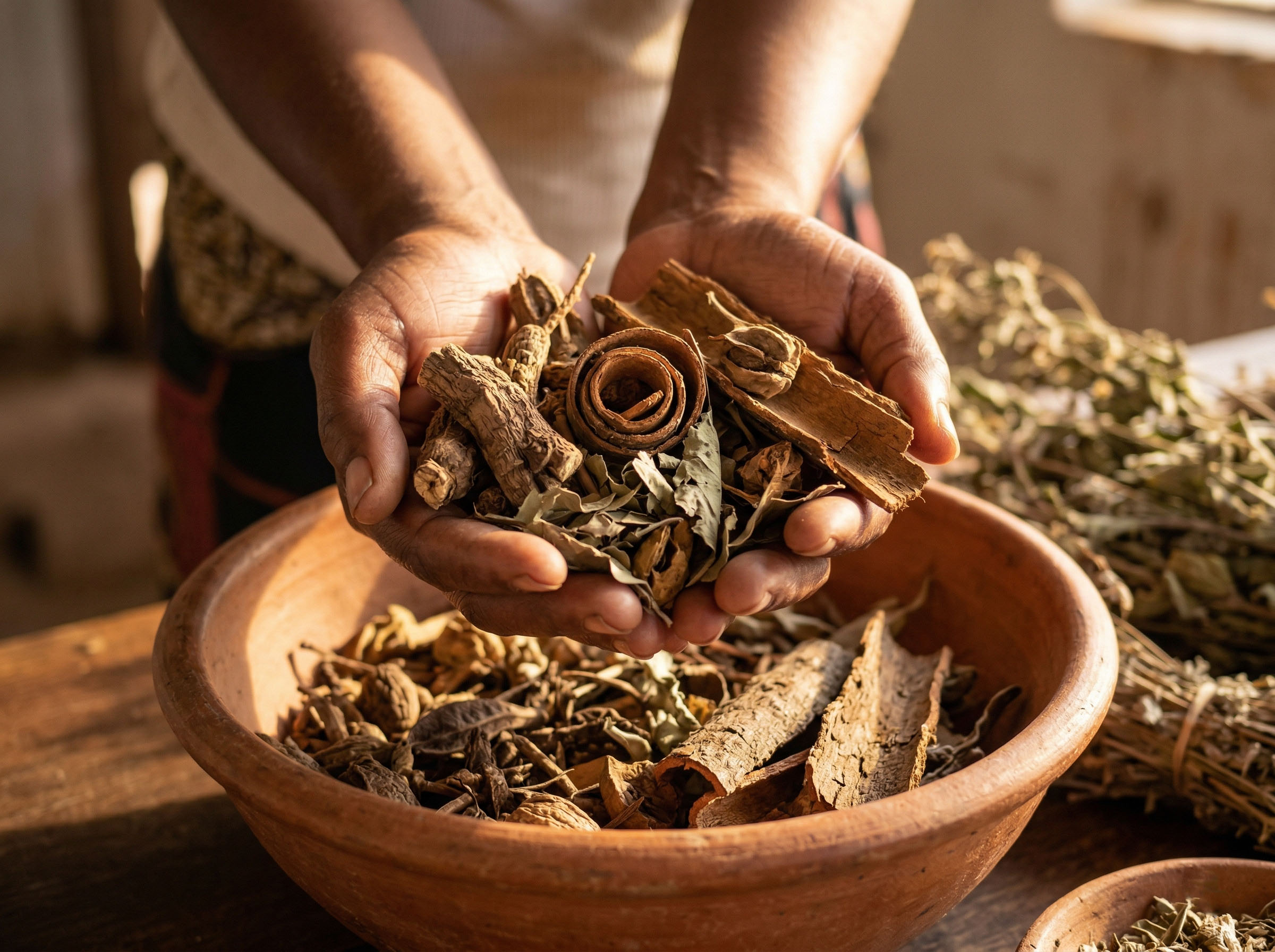
South Asia: Tradition, Turmeric, and the Daily Ritual
In many parts of India, intimate hygiene is approached with the same intentionality as other daily rituals. Water is the primary cleansing agent — warm water, used frequently, particularly after using the toilet. The use of a hand-held bidet or lota (a small water vessel) is standard in many households, making water-based cleansing after each bathroom visit entirely routine.
Traditional Ayurvedic care for women has included diluted turmeric washes for the external area, particularly postpartum. Turmeric contains curcumin, which has documented antimicrobial and anti-inflammatory properties. Whether used as a mild external rinse — diluted and applied to the vulva only — this reflects an instinctively sophisticated understanding of the body.
Neem is another herb that appears frequently in South Asian traditional practice, valued for its antibacterial properties. Importantly, traditional Ayurvedic guidance has always framed these as external applications — the concept of the body's self-regulating internal environment is actually very present in ancient Indian medical texts.
The Middle East and North Africa: Water, Hammam, and the Weekly Ritual
Across Muslim-majority cultures, intimate hygiene is given particular religious and social weight. Women are frequently regarded as subordinate and subjugated, viewed as unclean or impure, and believed to be able to transmit impurity and infect others. Islamic practice prescribes specific cleansing after using the bathroom and after menstruation, using water — and for many women, this has created a hygiene culture that is naturally more attentive and water-forward than in many Western countries.
The hammam — the communal bathhouse — is central to this world. In Morocco, Egypt, and across the Levant, a weekly visit involves full-body washing, steam, and exfoliation. Women scrub with a kessa mitt, use black soap (savon beldi) — a soft, natural soap made from olives — and take their time. The external genitalia are washed as part of the overall body routine, using the same gentle olive-derived soap to wash off their impurities as women.
Some traditional practices in this region include the use of alum (a natural mineral) as a mild astringent. Alum crystals dissolved in water have historically been used externally in some communities, believed to reduce odor and tighten tissue. Modern research on alum is limited, but as an external rinse it is generally considered low-risk. Internal use, however, which occurs in some traditions, is not advised.
East Asia: The Science of Clean — Japan and South Korea
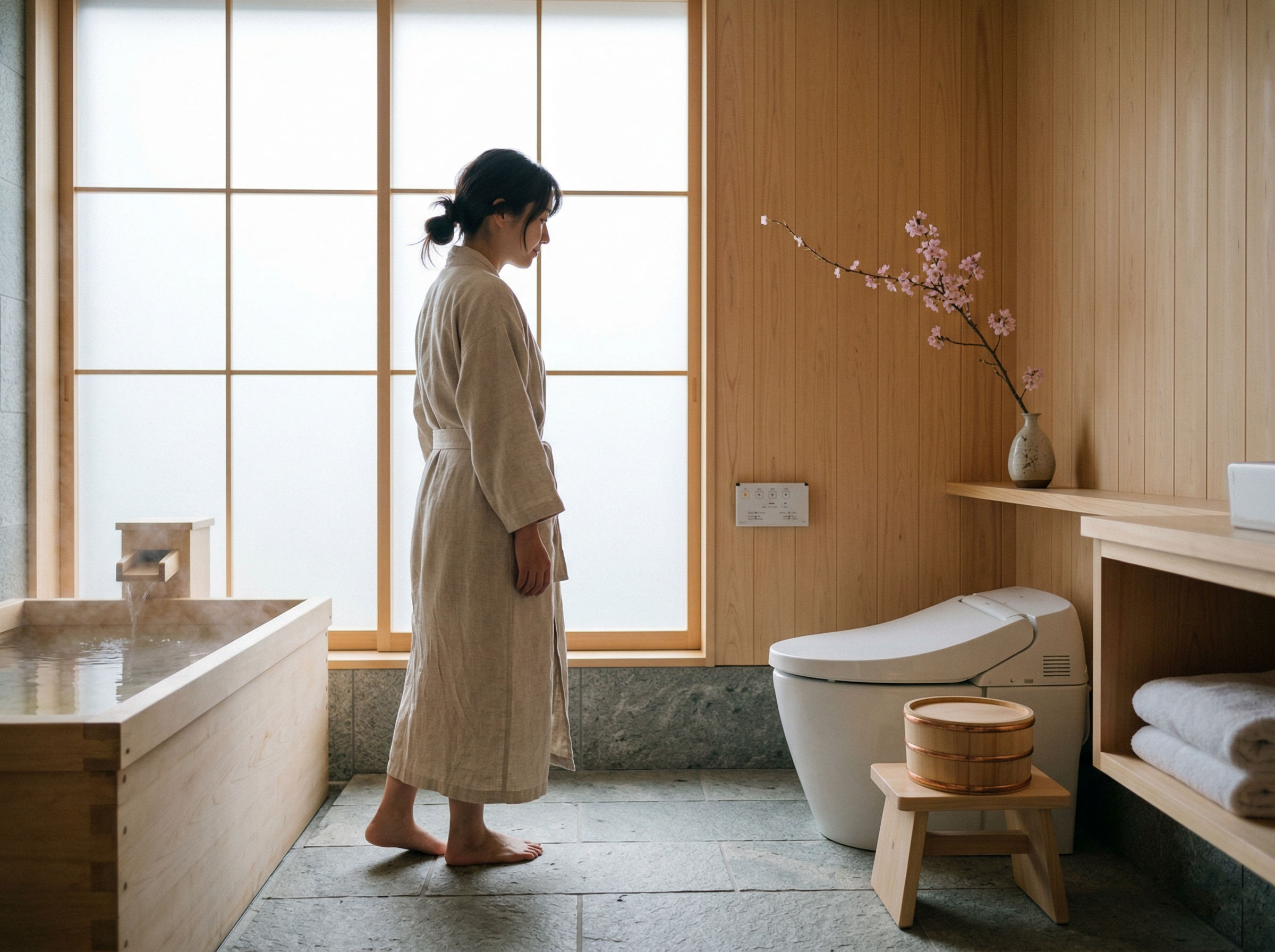
If there is a region of the world that has most systematically formalized intimate hygiene into everyday infrastructure, it is Japan. The famous washlet toilet — equipped with a warm-water bidet function, adjustable pressure settings, and a heated seat — is found in roughly 80 percent of Japanese homes and nearly all public restrooms. Women in Japan use water for intimate cleansing after every bathroom visit as a matter of routine, not exception.
South Korea, similarly, has a long tradition of thorough bathing culture centered on the jjimjilbang — a gender-segregated bathhouse where women soak in mineral baths, use exfoliating mitts, and spend time in heated rooms. Korean beauty culture has also produced a growing category of specifically formulated intimate wash products — mild, slightly acidic, and pH-balanced — that have become mainstream purchases at drugstores.
Both cultures reflect something worth noting: thoroughness and gentleness are not opposites. The East Asian approach tends to be meticulous about cleanliness while remaining functionally gentle — warm water, no harsh chemicals, no internal intervention.
Sub-Saharan Africa: Herbal Knowledge and a Complex Picture
Across sub-Saharan Africa, vaginal hygiene practices vary significantly between regions, urban and rural settings, and different ethnic communities — but a few patterns emerge. Herbal knowledge is remarkably widespread. Women in parts of West Africa, East Africa, and Southern Africa commonly use plant-based preparations for intimate washing, passed down through family and community.
Plants like Combretum species, certain acacia bark preparations, and various local plants with known astringent or antibacterial properties are used as external washes. In some communities, these preparations are used post-menstruation or postpartum as a cleansing ritual with both practical and ceremonial dimensions.
However, this region also has documented prevalence of internal vaginal practices — specifically vaginal steaming (practiced in parts of East Africa and also found in South and Central America and Southeast Asia) and the practice of "dry sex," which involves inserting drying agents into the vagina. The latter is associated with significant health risks including disrupted flora and increased vulnerability to infection, and is increasingly discouraged by health workers in those communities. These practices are worth knowing about — not to judge, but because understanding the full picture matters.
⚑ A Note Worth Keeping
External vs. internal is the single most important distinction in every culture's approach to vaginal hygiene. Water or gentle products applied to the vulva (external) are generally beneficial. Anything inserted internally — douches, herbs, steam, or drying agents — carries the risk of disrupting the vagina's naturally protective environment. The traditions that have stood the test of time, in every culture, tend to honor this boundary.
Latin America: The Bidet, the Herbal Bath, and the Family Ritual
If you grow up in Argentina, Uruguay, or southern Brazil, the bidet is as unremarkable as a sink. It simply lives next to the toilet, and using it after each bathroom visit is so routine it barely registers as a hygiene choice. It just is. This architectural and cultural fact means women in these countries are, on average, washing the external genital area with water far more frequently than women in, say, the United States or Canada where bidet culture is only recently gaining ground.
Across Central America and parts of the Caribbean, herbal bath traditions — baños de hierbas — play a role in intimate care particularly around menstruation, postpartum recovery, and what might be described as "feminine wellness." These warm herb-infused baths are typically sitz-style, with women sitting in a shallow, warm preparation rather than submerging. Plants like rosemary, chamomile, and certain local herbs with anti-inflammatory properties are used.
As with all herbal bath traditions, the key variable is whether steam or liquid is entering the vaginal canal. A warm external sitz bath is generally considered gentle and potentially soothing. Steam directed internally — as popularized briefly in modern wellness circles — is a different matter entirely.
Northern Europe: Simplicity, Saunas, and the Less-is-More Philosophy
Scan the shelves of a Finnish or Swedish pharmacy and you will find a notably restrained intimate care section. The Scandinavian approach to vaginal hygiene tends to reflect the broader Nordic ethos: less is more, natural is better, and trust the body to do its job.
Finnish sauna culture — deeply embedded in daily and weekly life — results in regular full-body washing as part of the sauna ritual. Women wash thoroughly before entering the sauna, then wash again afterward. Unscented soap, warm water, and simplicity are the cultural defaults.
This aligns closely with what gynecologists in those countries typically recommend: gentle water washing of the vulva, no internal products, no fragranced soaps, and minimal intervention. There is something quietly sophisticated about a culture that arrived at the scientifically recommended approach not through medical instruction but through generations of practice and a general preference for not overdoing things.
📊 At a Glance
Vaginal Hygiene Practices by Region: A Cultural Snapshot
| Region | Primary Method | Key Traditions | Modern Alignment |
|---|---|---|---|
| South Asia | Water (post-toilet), herbal external rinses | Turmeric, neem; Ayurvedic dinacharya | ★★★★☆ High |
| Middle East / N. Africa | Water (religious routine), hammam weekly | Olive soap, alum (external), kessa exfoliation | ★★★★☆ High |
| East Asia | Bidet/water after every use; bathing culture | Washlet technology; jjimjilbang; pH wash products | ★★★★★ Excellent |
| Sub-Saharan Africa | Water; herbal external washes (varies widely) | Generational herbal knowledge; ritual timing (postpartum, menstruation) | ★★★☆☆ Mixed |
| Latin America | Bidet culture (southern cone); herbal sitz baths | Baños de hierbas; strong bidet infrastructure | ★★★★☆ High |
| Northern Europe | Water; sauna washing routine | Unscented soap, minimalist approach; Finnish sauna culture | ★★★★★ Excellent |
| North America | Daily shower; product-heavy culture | Douching (declining); growing pH wash market | ★★★☆☆ Variable |
This table reflects general cultural patterns — individual practices vary widely within each region.
North America: A Complicated Relationship with Clean
If any region has the most fraught recent history with vaginal hygiene, it is North America. For much of the 20th century, aggressive advertising campaigns promoted vaginal douching as essential — even hygienic — for women who wanted to be acceptable to their husbands. Lysol, today known as a household disinfectant, was marketed as a feminine hygiene product well into the 1950s.
The cultural legacy of that era was a persistent overcorrection: the idea that the natural smell and function of the vagina were somehow a problem to be solved. Douching became widespread, and we now know clearly that it disrupts the vaginal microbiome, raises the pH, and can contribute to bacterial vaginosis and other infections. Douching rates have declined sharply in North America in recent decades as this has become better understood, but the product market — "feminine washes," "intimate deodorants," heavily fragranced products — has remained large.
The irony is that modern science most closely supports the approach of the cultures that never medicalized this in the first place: water, gentleness, external cleaning only, and trust in the body.
Modern science most closely supports the approach of the cultures that never medicalized this in the first place: water, gentleness, external cleaning only, and trust in the body.
— Amara Leclerc
What a World Tour Teaches Us
Reading across these cultures, a few themes repeat themselves in the practices that have served women well across generations.
Water is universal. Every culture that has access to clean water uses it as the primary cleansing agent. The disagreements are about frequency, method, and what else — if anything — goes alongside it.
Ritual matters. Whether it is a weekly hammam visit, a daily dinacharya routine, or a Friday-night sauna, building intentional time for cleansing and bodily care seems to serve women in ways that go beyond the purely physical. These are traditions women do together, talk about, and pass on. That social dimension — the knowledge-sharing, the community — has value that is easy to lose in a culture of individually purchased products.
Plants are not always harmless. Across multiple cultures, we see plant-based preparations used externally with generally good outcomes. But internal use of any substance — herbal or otherwise — carries real risk, regardless of how long it has been practiced. Tradition is not the same as safety.
Simplicity appears to win. The cultures with the lowest rates of intervention — Northern Europe and Japan in particular — tend to show the greatest alignment with what reproductive health specialists currently recommend. Clean water, external washing, gentle or unscented products, and minimal fuss. The body, largely left to its own remarkable devices, functions as it should.
The Wisdom Worth Keeping
What strikes you, after this particular world tour, is not how different women's hygiene practices are across cultures. It is how much the underlying wisdom converges. Respect the body. Use what is gentle. Clean the outside; leave the inside alone. Make it a ritual, not a chore. Pass the knowledge on.
The practices that have genuinely served women across generations — the Ayurvedic attention to daily routine, the hammam's warm-water thoroughness, the Japanese precision, the Finnish simplicity — share a quality that no product campaign can replicate. They were built from observation, refined over time, and handed from woman to woman with real care.
That kind of knowledge is worth something. Maybe, in this particular conversation about cleanliness, the most useful thing we can do is slow down enough to receive it.
Your Questions, Answered
Common questions about vaginal hygiene from a cultural perspective
✦ In Brief
- Women across cultures share more wisdom on vaginal hygiene than the differences suggest — water and gentleness are universal.
- The external vulva benefits from daily cleaning; the internal vagina requires no intervention at all.
- Traditional practices in South Asia, the Middle East, East Asia, and Northern Europe align closely with modern recommendations.
- Herbal preparations used externally have a long history; internal use of any substance carries real risk regardless of tradition.
- North America's mid-century douching culture is a cautionary tale — and the move away from it reflects genuine progress.
- The best approach tends to be the simplest: warm water, gentle products, and respect for the body's own intelligence.
Disclaimer: This content is for informational and educational purposes only and does not constitute medical advice. It is not intended to be a substitute for professional diagnosis or treatment. Always consult with a qualified healthcare provider regarding any medical condition or treatment plan. Never disregard professional medical advice because of something you have read here.