日本語
日本語  Deutsch
  English
  Español
  Français
  Português



There is a specific kind of weight that rests upon the shoulders of a woman. It is a quiet, heavy mantle, often woven from the needs of children, the expectations of a spouse, and the silent management of a household.
For generations, women have been the anchors of the home, the ones who set the emotional temperature of the rooms they inhabit. But when the anchor begins to drag, the whole ship feels the strain.
Low mood, persistent stress, and the lingering shadows of past hurts are not merely modern inconveniences; they are signals that the internal engine of a woman’s life is out of sync with her natural design. Finding a way back to a state of calm and steady happiness does not require a radical overhaul of one’s identity or the adoption of trendy ideologies. Instead, it often requires a return to the basics—the foundational truths of biology and the wisdom of tradition.
Improving your outlook is a physical, mental, and spiritual process. When a woman takes care of her body and mind, she is better equipped to love her family and serve her community. Here are seven grounded, natural ways to lift your spirits and steady your heart.
Quick-Start: The Joy Protocol
Use these simple steps to begin your journey toward a calmer heart today.
- Wake up at the same time daily.
- Eat protein with every meal.
- Step outside before noon.
- No phone use after 9:00 PM.
- Avoid snacking on refined sugar.
- Don't ignore physical tension.
1. The Restoration of the Night: Prioritizing Natural Sleep
Sleep is not a luxury or a sign of laziness. It is the period during which the body repairs its cells and the brain processes the emotional events of the day. For many mothers, sleep is the first thing sacrificed. We stay up late to find a few moments of peace or wake up early to beat the rush. Yet, chronic sleep deprivation is a direct path to anxiety and irritability.
To improve your mood, you must respect the natural clock of your body. This means moving away from the blue light of screens at least an hour before bed. The light from a phone tricks the brain into thinking it is daytime, which stops the production of chemicals needed for rest. Instead, return to the habits of our grandmothers: a dark, cool room, a soft blanket, and perhaps a book.
A consistent sleep schedule stabilizes the hormones that control your emotions. When you wake up rested, your patience with your children increases, and your ability to handle the small fires of daily life becomes much easier. You cannot think your way out of a bad mood if your brain is physically exhausted.
2. Nourishing the Temple: Traditional Eating for Mental Clarity
The modern diet is often a collection of quick fixes—sugary snacks for a burst of energy or processed meals to save time. However, what a woman puts into her body directly dictates how she feels. The brain is an organ, and like the heart or the lungs, it requires specific fuel to function.
Traditional nutrition focuses on whole foods: quality proteins, healthy fats, and complex carbohydrates. For a woman, fat is particularly important. The brain is mostly made of fat, and our hormones depend on healthy fats from butter, eggs, and meat to stay balanced. When women go on restrictive, low-fat diets, they often find themselves feeling "blue" or constantly on edge.
Eating should be a slow, intentional act. Preparing a meal for yourself and your family is a way to honor the body. Avoid the spikes and crashes of sugar. Steady blood sugar leads to a steady mind. By choosing foods that come from the earth rather than a factory, you provide your system with the building blocks it needs to produce serotonin—the chemical that helps you feel calm and content.
Traditional Foods for a Steady Mind
| Food Group | Best Choices | Benefit |
|---|---|---|
| Healthy Fats | Butter, Eggs, Avocado | Hormone Support |
| Clean Protein | Beef, Chicken, Fish | Neurotransmitter repair |
| Natural Fiber | Berries, Leafy Greens | Blood sugar stability |
3. The Power of Sunlight and the Great Outdoors
Women were never meant to spend their entire lives under the hum of fluorescent lights. There is a deep, biological need for the sun. Sunlight triggers the production of Vitamin D, which is a major player in mood regulation. Many women who struggle with seasonal sadness or a general sense of gloom are often simply starved for light.
Spending even twenty minutes outside in the morning can change the trajectory of your day. The fresh air clears the lungs, and the vastness of the sky puts personal problems into a better perspective. Whether it is gardening, walking the dog, or sitting on the porch with a cup of tea, being in nature grounds a woman.
Nature moves at its own pace—unhurried and certain. Observing the change of seasons or the growth of a plant reminds us that there is a time for everything. This connection to the world outside the walls of the home can break the cycle of "inward-looking" stress that often leads to emotional burnout.
4. Physical Release and the Understanding of the Body
An honest discussion about a woman’s mood must include the reality of her physical needs. Stress is not just a thought; it is a physical state where the body is stuck in a "fight or flight" mode. One of the most effective, albeit private, ways to break this cycle is through the release of physical tension.
The act of masturbation or personal physical release is often a taboo subject in traditional circles, but from a purely physiological standpoint, it serves a clear purpose. It triggers the release of oxytocin and endorphins—the body's natural "feel-good" chemicals. These hormones lower cortisol, the primary stress hormone that keeps us feeling frazzled and defensive.
By understanding how her body works, a woman can manage her own nervous system. This isn't about following modern trends or making a political statement; it is about recognizing that God designed the human body with built-in mechanisms for relief and relaxation. When a woman is less physically tense, she is often more present, more patient, and more capable of showing affection to those around her.
5. Movement as a Form of Grace
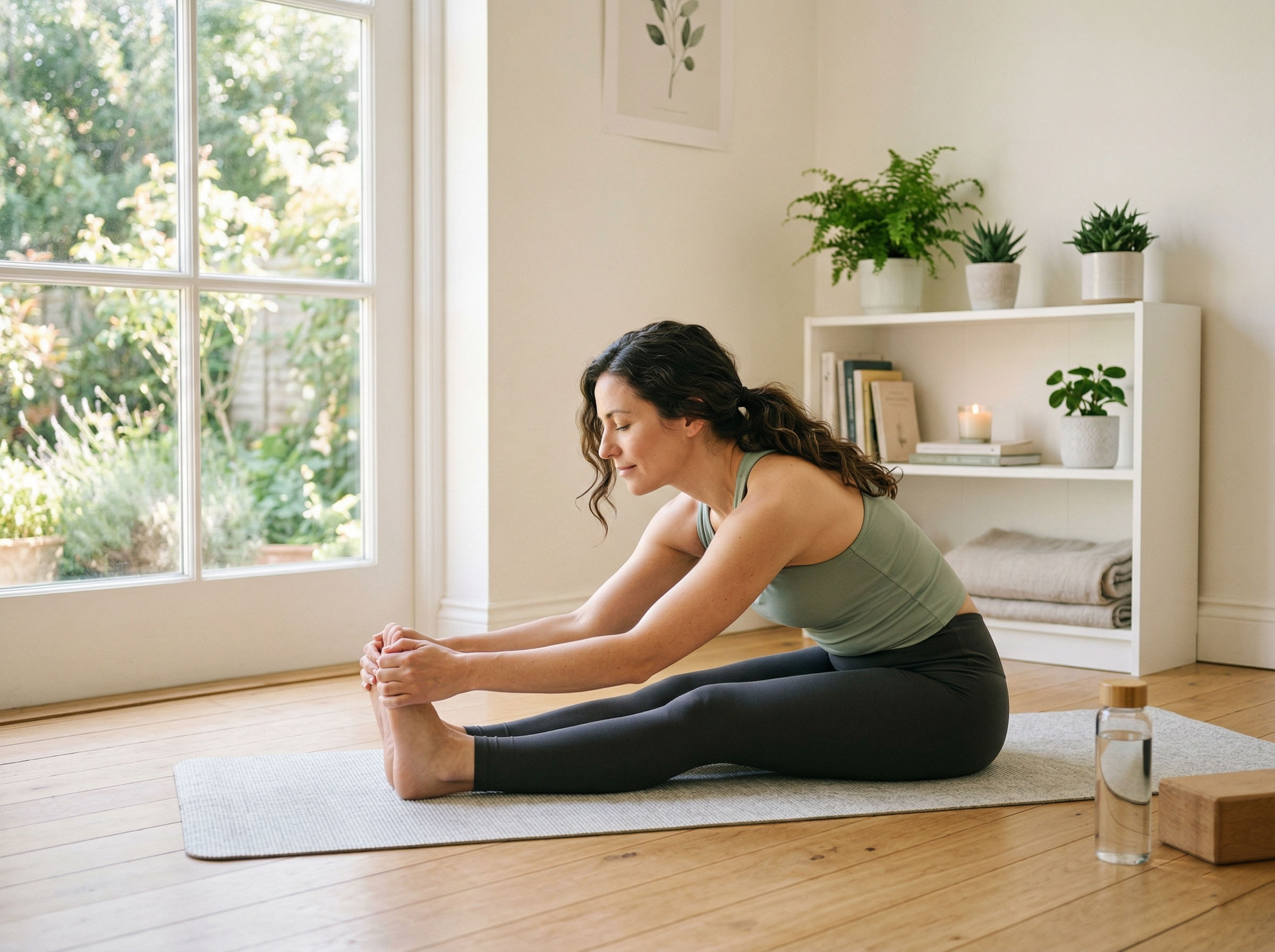
Exercise is often marketed as a way to change how we look, but its greatest value is in how it makes us feel. A woman’s body was made to move. This does not mean you must join a gym or run a marathon. Traditional movement—walking, lifting children, carrying groceries, or even vigorous housecleaning—counts.
When you move your body, you are telling your brain that you are capable and strong. This is particularly helpful for women dealing with body image issues. Instead of looking in the mirror and seeing flaws, movement helps you see your body as a tool that can do things.
Strength training, even with light weights, is incredibly beneficial for women as they age. It builds bone density and gives a sense of physical agency. A body that feels strong is a mind that feels secure. If you find your mood dipping in the afternoon, try a brisk walk. The simple act of putting one foot in front of the other can pull you out of a mental rut.
"A woman who is at peace with herself is a powerful force for good in her home and in the world."
6. The Order of the Home: Creating a Sanctuary
The environment we live in is a reflection of our internal state, and it also influences it. For a woman, the home is often her primary domain. When that space is cluttered, chaotic, and dirty, it creates a constant background noise of "to-do" lists in the brain. This "mental load" is a significant source of chronic stress for mothers.
Creating order in the home is an act of self-care. It is not about perfection or being a "Stepford wife"; it is about creating a space where the soul can rest. A clean kitchen, a made bed, and a tidy living room provide a sense of control when the rest of the world feels out of hand.
There is also a profound beauty in the domestic arts. Cooking, decorating, and organizing are ways of expressing love for your family and yourself. When you take pride in your surroundings, your mood naturally follows. A peaceful home acts as a buffer against the harshness of the outside world, providing a sanctuary where you can recharge.
7. Connection and the Wisdom of Tradition
The most significant factor in a woman’s emotional wellbeing is often her connection to others. We are social creatures, designed to live in community. Isolation is a modern plague, especially for stay-at-home mothers or women who work remotely.
Returning to traditional forms of connection—church groups, family gatherings, or a simple afternoon coffee with a friend—is essential. Talking to other women who share your values and your struggles provides a sense of belonging. It reminds you that you are not alone in your challenges.
Furthermore, a connection to something larger than yourself—whether that is your faith, your heritage, or your role as a mother—gives life meaning. Meaning is the ultimate antidote to despair. When you see your daily tasks not as drudgery but as a way to build a legacy and care for the people you love, your perspective shifts.
Common Questions
Moving Ahead with Intention
Healing from stress or trauma is not a quick process. It is a slow, steady walk toward the light. By focusing on these seven areas, a woman can begin to build a life that supports her emotional health naturally.
We do not need to look for answers in complicated theories or ideological shifts. The answers are often found in the way our grandmothers lived: with enough sleep, good food, plenty of sunshine, a clean home, and a strong sense of duty and love.
By respecting your body’s biology and your soul’s need for order and connection, you can move past the fog of a low mood. You have the ability to reclaim your joy, not just for your own sake, but for the sake of the family that looks to you for guidance and warmth. A woman who is at peace with herself is a powerful force for good in her home and in the world.
Start small. Pick one area—perhaps your sleep or your morning walk—and commit to it. Over time, these small changes gather strength, creating a foundation of health that can weather any storm. Your mood is not a mystery; it is a result of how you treat your mind and body. Honor them, and they will honor you.
Disclaimer: This content is for informational and educational purposes only and does not constitute medical advice. It is not intended to be a substitute for professional diagnosis or treatment. Always consult with a qualified healthcare provider regarding any medical condition or treatment plan. Never disregard professional medical advice because of something you have read here.