



 Deutsch
  English
  Español
  Français
In Brief
- Menstrual cramps are caused by prostaglandins; lowering them reduces pain.
- Dietary changes (Omega-3s, Magnesium) should start 7–10 days before your period.
- Heat therapy and hydration are proactive tools, not just reactive fixes.
- Timing OTC medication before pain starts is more effective than waiting.
If you are a woman who menstruates, you likely know the feeling all too well. It begins as a dull, heavy ache in the lower abdomen, perhaps radiating to the lower back or even the thighs. For some, it is a minor annoyance, a background noise to the day. For others, it is a monthly event that necessitates canceling plans, curling up in bed, and waiting for the storm to pass.
Primary dysmenorrhea—the clinical term for common menstrual cramping—affects a vast number of women. Yet, despite its prevalence, many of us approach it with a sense of resignation, waiting for the pain to arrive before scrambling for the hot water bottle.
The truth is, managing menstrual pain is rarely about a single magic bullet used in the moment of crisis. It is about preparation. By understanding the physiology of why cramping happens, we can adopt a strategic, multi-phased approach to minimize the severity before the first cramp even strikes. This isn't about "fixing" your body, because your body isn't broken; it is about equipping yourself with the right tools and knowledge to navigate your cycle with greater comfort and control.
Understanding the Mechanism: Why We Cramp
To prepare effectively, we must first understand the biological trigger. The primary culprit behind menstrual cramping is a group of lipid compounds called prostaglandins.
Did You Know?
Prostaglandins are not hormones. They are lipid compounds that act like hormones. While they are necessary for healing and inducing labor, an overproduction in the uterus is what causes the "wringing" sensation of severe cramps.
Just before menstruation begins, the endometrial lining of the uterus prepares to shed. To help expel this lining, the body releases prostaglandins, which trigger the uterine muscles to contract. These contractions compress the blood vessels in the uterus, temporarily cutting off the oxygen supply to the muscle tissue. This lack of oxygen (ischemia), combined with the sensitivity of nerve endings to prostaglandins, causes pain.
Here is the key takeaway: Higher levels of prostaglandins generally equate to more severe cramping. Therefore, the goal of preparation is to naturally modulate inflammation and reduce the production of these compounds leading up to your period.
Phase One: The Pre-Game (The Luteal Phase)
Preparation for a manageable period actually begins in the week before you bleed. This is the late luteal phase. During this time, progesterone is dropping, and your body is gearing up for the inflammatory process of menstruation. This is your window of opportunity to intervene.
1. The Anti-Inflammatory Plate
What you eat in the seven to ten days prior to your period can influence your prostaglandin levels. The objective here is to reduce systemic inflammation.
-
Omega-3 Fatty Acids: Research suggests that Omega-3s can help reduce the production of inflammatory chemicals. Incorporating fatty fish like salmon, mackerel, or sardines, as well as walnuts and flaxseeds, during this week can be beneficial.
-
Magnesium: Think of magnesium as nature’s muscle relaxant. It helps reduce the tension in the uterine muscle. Dark leafy greens (spinach, kale), pumpkin seeds, almonds, and even dark chocolate (70% cocoa or higher) are excellent sources.
-
Limit Salt and Sugar: As difficult as cravings can be, high salt intake increases water retention (bloating), which can exacerbate the feeling of pelvic heaviness and pressure. Excessive refined sugar can spike insulin and trigger further inflammation.
| Foods to Embrace | Foods to Limit |
|---|---|
| Omega-3 Rich: Salmon, walnuts, flaxseeds | High Sodium: Processed chips, canned soups |
| Magnesium Sources: Spinach, kale, pumpkin seeds | Refined Sugars: Soda, candy, pastries |
| Hydration: Water, peppermint tea, chamomile | Excess Caffeine: Can constrict blood vessels |
| Healthy Treats: Dark chocolate (70%+) | Fried Foods: Increases systemic inflammation |
2. Hydration Strategy
It sounds counterintuitive, but staying hydrated helps reduce water retention. When you are dehydrated, your body hoards water, leading to bloating that compounds cramp discomfort. Aim for consistent water intake throughout the day. If plain water is unappealing, herbal teas like peppermint or chamomile are soothing alternatives that also offer mild antispasmodic properties.
3. Gentle Movement
While high-intensity interval training (HIIT) might be part of your regular routine, the week before your period is a good time to listen to your body. If you feel fatigued, switch to lower-impact activities. Walking, swimming, or yoga can maintain blood flow—which is crucial for reducing pelvic congestion—without placing undue stress on the body.
Phase Two: The Hardware (Building Your Toolkit)
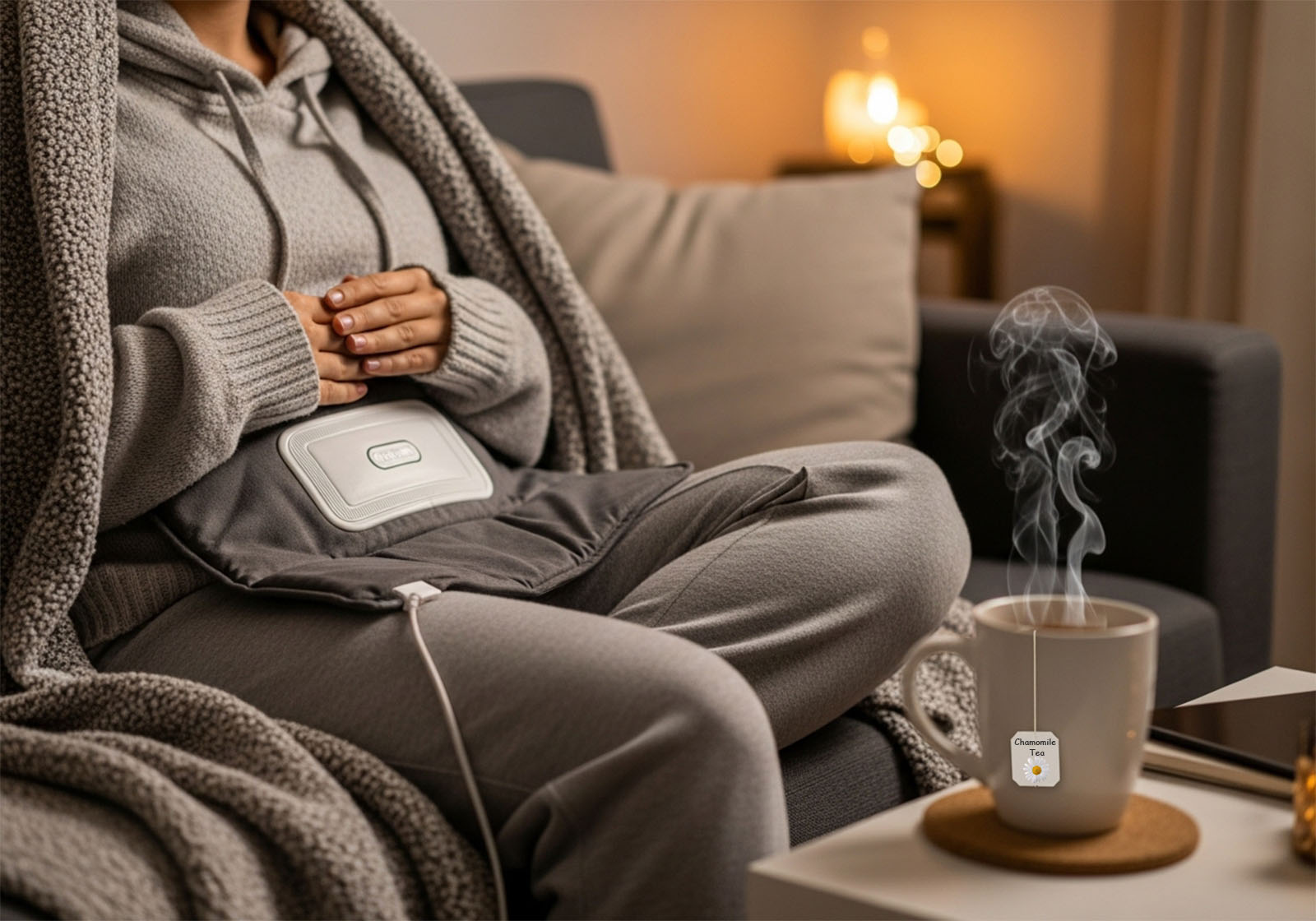
Waiting until you are in pain to find your heating pad is a recipe for frustration. Part of your preparation involves having a dedicated "Period Kit" ready to go.
1. Heat Therapy Options
Heat is one of the most effective non-pharmaceutical methods for pain relief. It works by opening up blood vessels (vasodilation), improving blood flow to the uterus, and relaxing the contracting muscles.
-
Electric Heating Pads: Great for home use, but they tether you to an outlet.
-
Hot Water Bottles: A classic for a reason. They provide heavy, grounding pressure which some women find comforting.
-
Adhesive Heat Patches: These are a game-changer for working women. They adhere to the inside of your underwear and provide continuous, discreet heat for up to eight hours. Stock up on these before your cycle starts so you have them for work or errands.
2. TENS Units
Transcutaneous Electrical Nerve Stimulation (TENS) units were once bulky machines found only in physical therapy offices. Now, small, wearable devices designed specifically for menstrual pain are widely available. They work by sending small electrical pulses through the skin to the nerves. This does two things: it triggers the release of endorphins (natural painkillers) and it interrupts the pain signals traveling to the brain (Gate Control Theory). If medication isn't an option for you, or if you need an extra layer of relief, a TENS unit is a worthwhile investment to have charged and ready.
3. Clothing Choices
In the days leading up to your period, assess your wardrobe. Tight, high-waisted jeans or restrictive waistbands can put external pressure on a bloated abdomen, worsening the sensation of cramping. Prepare a few outfits that are loose around the midsection—dresses, tunics, or pants with soft, elastic waists—so you don't have to stress about what to wear when you wake up feeling tender.
Phase Three: The Medication Strategy
Note: I am not a doctor, and this is not medical advice. Always consult your healthcare provider regarding medication.
If you choose to use over-the-counter pain relief, timing is everything. Many women wait until the pain is unbearable to take medication, but for menstrual cramps, this is often too late to be fully effective.
Non-steroidal anti-inflammatory drugs (NSAIDs), such as ibuprofen or naproxen, work by inhibiting the enzyme that produces prostaglandins. The most effective strategy, often recommended by gynecologists, is to start taking the medication at the very onset of the period or the day before you expect it, and to take it on a schedule for the first 48 hours (rather than "as needed"). This prevents the prostaglandin levels from spiking in the first place.
If you have a regular cycle and know when you are due, mark your calendar. Having the medication on hand—in your purse, at your desk, and on your nightstand—ensures you aren't caught off guard.
Phase Four: Emotional and Mental Preparation
The mind-body connection plays a significant role in how we perceive pain. Stress increases cortisol, and high cortisol can lead to hormonal imbalances that may worsen cramping. Furthermore, tensing up in anticipation of pain can make the muscles tighter, creating a feedback loop of discomfort.
"Managing menstrual pain is rarely about a single magic bullet used in the moment of crisis. It is about preparation."
1. Sleep Hygiene
Sleep is when your body repairs and resets. In the late luteal phase, your body temperature rises slightly, which can disrupt sleep. Prioritize a cool, dark room and try to get to bed earlier. Lack of sleep lowers your pain threshold, making cramps feel more intense the next day.
2. Stress Reduction
Look at your calendar for the expected week of your period. Are there high-stress meetings or deadlines that can be moved? If not, can you prepare for them earlier to reduce the pressure on "Day 1"? Reducing your mental load allows your body to focus energy on the physiological process of menstruation.
When Preparation Isn't Enough: Knowing Your Normal
While preparation can significantly mitigate common menstrual cramps, it is vital to recognize when pain exceeds the range of "normal."
Dysmenorrhea should be manageable. If you find that despite dietary changes, heat, and over-the-counter medication, you are still missing work, vomiting from pain, or passing out, this is not something you should simply "prepare for" or endure. These can be signs of secondary dysmenorrhea, often caused by conditions such as endometriosis, adenomyosis, or fibroids.
If your preparation tactics consistently fail to provide relief, the most proactive step you can take is to schedule an appointment with a gynecologist. Track your symptoms, document what you have tried, and advocate for an investigation into the underlying cause.
Common Questions About Cramp Prep
The Takeaway
Menstruation is a natural biological function, but suffering through it does not have to be a given. By shifting our perspective from passive endurance to active preparation, we reclaim a sense of agency over our bodies.
Start small. Maybe this month you focus on hydration and magnesium. Next month, you might invest in a quality heating pad or a TENS unit. Over time, you will build a personalized protocol that works for you. The goal is not necessarily to erase every sensation of the cycle, but to lower the volume of the noise so that you can continue to live your life with confidence and comfort.
Be kind to yourself, listen to your body’s cues, and remember: you have the tools to weather the storm.
Quick Reference: Your Pre-Cycle Checklist
To make this actionable, here is a simple checklist to run through roughly five days before your period is due:
Diet & Nutrition
-
[ ] Stock up on leafy greens, nuts, and fatty fish.
-
[ ] Buy dark chocolate (for the magnesium and the morale).
-
[ ] Reduce intake of processed salty snacks and sugary drinks.
-
[ ] Begin drinking water consistently throughout the day.
Supplies Check
-
[ ] Check your supply of pads, tampons, or cups.
-
[ ] Locate your heating pad or hot water bottle.
-
[ ] Buy adhesive heat patches for work/travel.
-
[ ] Ensure your TENS unit is charged (if you use one).
-
[ ] Check expiration dates on any OTC pain relievers.
Lifestyle
-
[ ] Schedule lighter workouts (yoga, walking).
-
[ ] Plan "comfort" outfits for the first two days of your cycle.
-
[ ] Try to get an extra 30 minutes of sleep per night.
Disclaimer: The articles and information provided by the Vagina Institute are for informational and educational purposes only. This content is not intended to be a substitute for professional medical advice, diagnosis, or treatment. Always seek the advice of your physician or another qualified health provider with any questions you may have regarding a medical condition.