



 Deutsch
  English
  Español
  Français
Let’s be real: there is nothing quite like the feeling of a high-intensity workout. Whether it’s that final sprint on the treadmill, a deep stretch in a hot yoga flow, or the heavy lift that makes you feel like a total powerhouse, the "gym high" is unmatched. But as we transition from our favorite boutique fitness classes to brunch or errands, there’s an unspoken guest that sometimes tags along: moisture-related odor.
In the age of athleisure, we are spending more time than ever in spandex, polyester, and nylon. These fabrics are incredible for performance—they hold us in, they wick away sweat, and they look great—but they weren’t necessarily designed with our vaginal health in mind. Because the groin area is one of the most concentrated zones for sweat glands, wearing tight, synthetic gear for hours can create a "micro-climate" that challenges our natural balance.
Maintaining your freshness while staying active doesn’t mean you have to give up your favorite leggings. It just means playing it a bit smarter with your post-workout routine and understanding how to let your body breathe when the sweat session is over.
The Science of the "Sweat Session"
When we work out, our bodies use sweat to cool down. In the pelvic region, we have two types of sweat glands: eccrine and apocrine. While eccrine sweat is mostly water and salt, apocrine sweat (found in areas with hair follicles) is thicker and contains proteins and lipids. When this sweat gets trapped against the skin by non-breathable fabrics, it interacts with the natural bacteria on our skin.
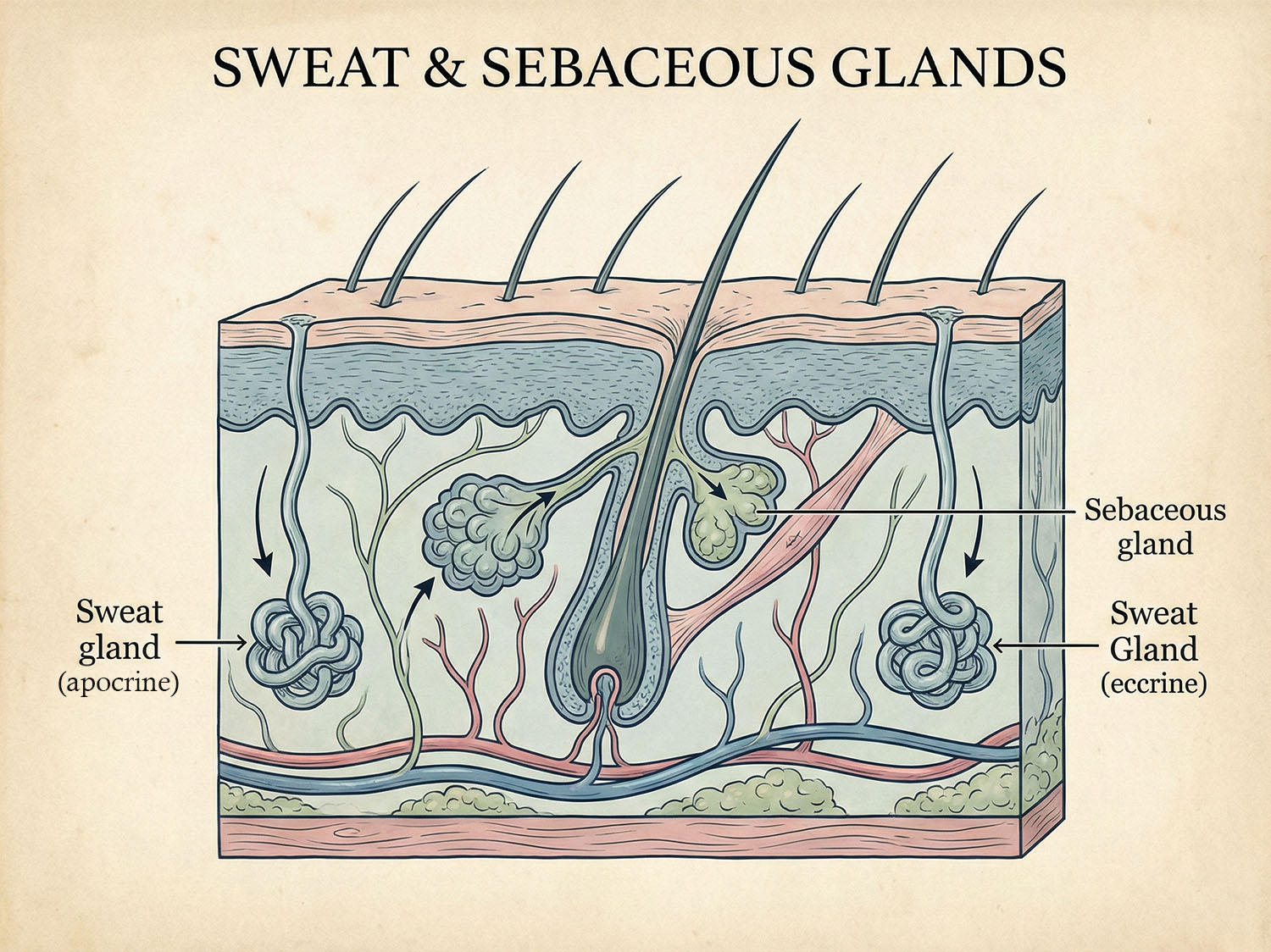
This interaction is what creates that distinct "gym smell." It isn’t coming from inside the vagina; it’s happening on the skin of the vulva and the inner thighs. However, if that heat and moisture stay trapped for too long, it can eventually migrate inward, disrupting the delicate pH of the vaginal canal and leading to more persistent concerns like yeast overgrowth.
Did You Know? The "wicking" fabrics in high-end leggings work by pulling moisture away from the skin to the outer layer of the fabric. However, if your leggings are very tight, that moisture has nowhere to evaporate, effectively keeping a damp layer right against your body. This is why fit is just as important as fabric!
The "Golden Hour": Post-Workout Protocol
The most critical time for your vaginal health is the hour immediately following your workout. We’ve all been guilty of the "athleisure linger"—staying in our sweaty gear for a few hours because we’re busy or the leggings are just too comfortable. But for your body, this is the danger zone.
1. The Immediate Swap
If you can’t shower right away, the absolute best thing you can do is change your underwear. Swapping out sweaty, synthetic thongs for a clean pair of 100% cotton undies can instantly lower the temperature and moisture levels in the pelvic area. If you can manage it, changing into loose-fitting joggers or a skirt is even better.
2. The Power of "Airing Out"
We often think of hygiene as "cleaning," but in the context of fitness, hygiene is often about "drying." The vagina is an organ meant to be aired out. After a workout, your tissues need to return to their baseline temperature and dryness. This is why many trainers and health experts recommend a period of being underwear-free once you get home. Letting that area breathe after it's been compressed in spandex is the fastest way to reset your natural scent.
Choosing Your Gear Wisely
Not all workout gear is created equal. When shopping for your next set, keep these features in mind:
-
Cotton Gussets: Look for leggings that have a sewn-in cotton panel (the gusset) in the crotch. This provides a small window of breathability where it matters most.
-
Seamless vs. Seamed: Sometimes, heavy seams can cause micro-abrasions during repetitive movements like running or cycling. These tiny irritations make the skin more sensitive to sweat and bacteria.
-
Antimicrobial Fabrics: Many modern brands use silver-ion technology to prevent bacteria from growing on the fabric itself. While this helps the clothes smell better, you still need to focus on the skin underneath.
The "Fresh-Start" Gym Bag Kit
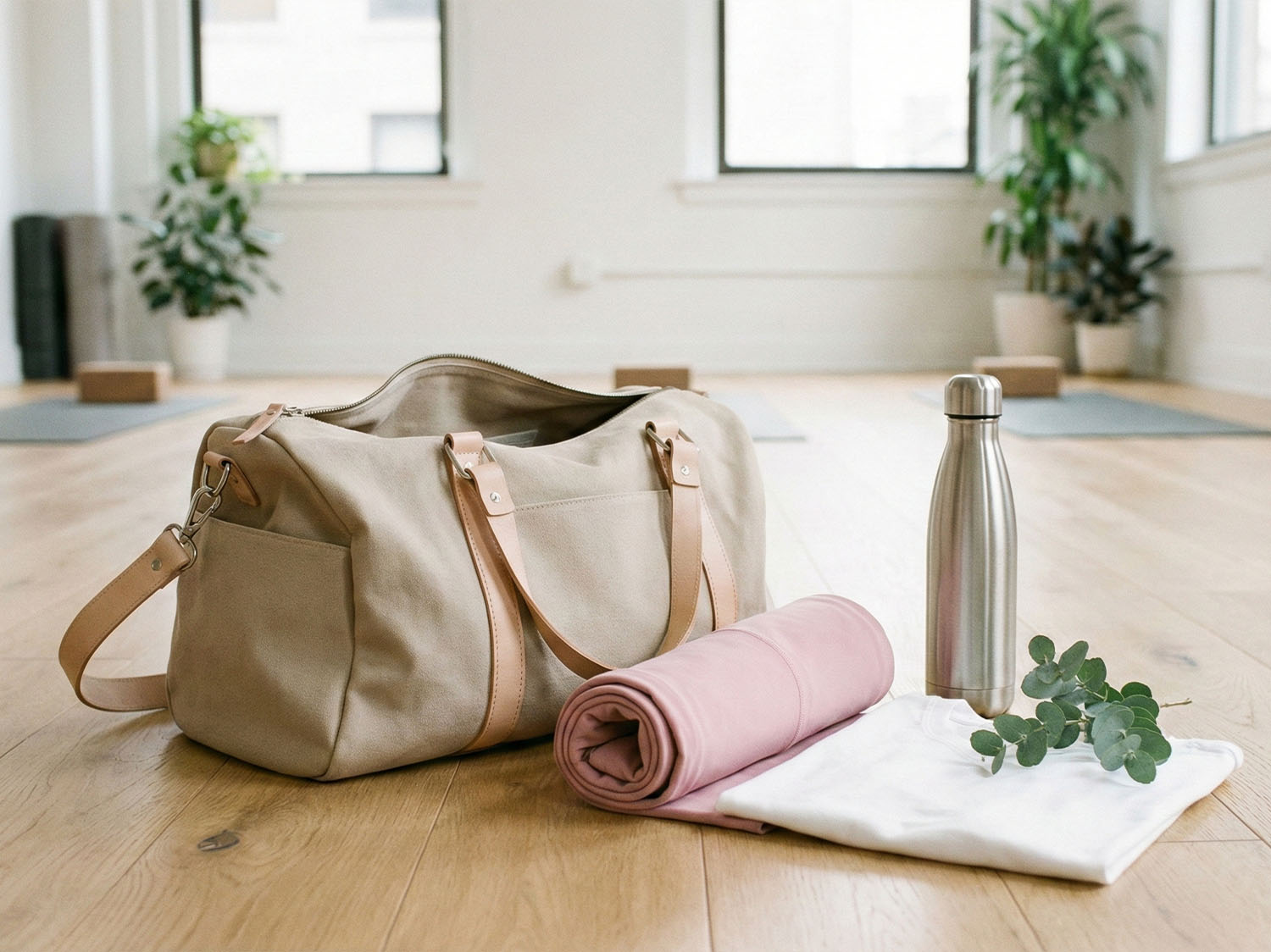
| 100% Cotton Undies | Your #1 tool for a post-workout reset. |
| Fragrance-Free Water Wipes | For external cleansing when a shower is miles away. |
| Loose Lounge Pants | To let the area "breathe" during your commute. |
| Stainless Steel Water Bottle | To stay hydrated and keep secretions mild. |
Active Life FAQs
Daily Habits for the Active Woman
-
Hydration is Key: Water dilutes everything, including the intensity of your sweat. Staying hydrated ensures your body can flush out toxins efficiently, leading to a milder scent.
-
Skip the Liners: It’s tempting to wear a pantyliner to "catch" workout moisture, but most liners have a plastic backing that actually traps heat and makes the problem worse. If you must use one, choose a 100% organic cotton version without the plastic film.
-
The Wipe Down: If a shower isn't an option, use a simple, fragrance-free water wipe on the external skin only. Avoid anything with heavy perfumes or "deodorizing" chemicals, which can trigger an allergic reaction on sweat-sensitized skin.
Disclaimer: The articles and information provided by the Vagina Institute are for informational and educational purposes only. This content is not intended to be a substitute for professional medical advice, diagnosis, or treatment. Always seek the advice of your physician or another qualified health provider with any questions you may have regarding a medical condition.