



 Deutsch
  English
  Español
  Français
For many women, the month feels less like a linear progression and more like a revolving door of different versions of themselves. One week, you are the architect of your own life—focused, energetic, and ready to tackle a demanding professional project or a rigorous workout. A mere ten days later, that same person might feel like a stranger, replaced by someone who finds the hum of the refrigerator too loud and a simple email request nearly insurmountable.
This shift isn't a flaw in character or a lack of willpower. It is the result of a complex, silent chemical choreography happening beneath the surface. Our hormones—specifically estrogen, progesterone, and cortisol—act as a biological metronome, setting the pace for our metabolic rate, our emotional resilience, and our cognitive clarity. Understanding this rhythm isn't about finding a "cure" for being a woman; it’s about gaining the map to your own internal landscape.
The Big Three: Meet Your Chemical Messengers
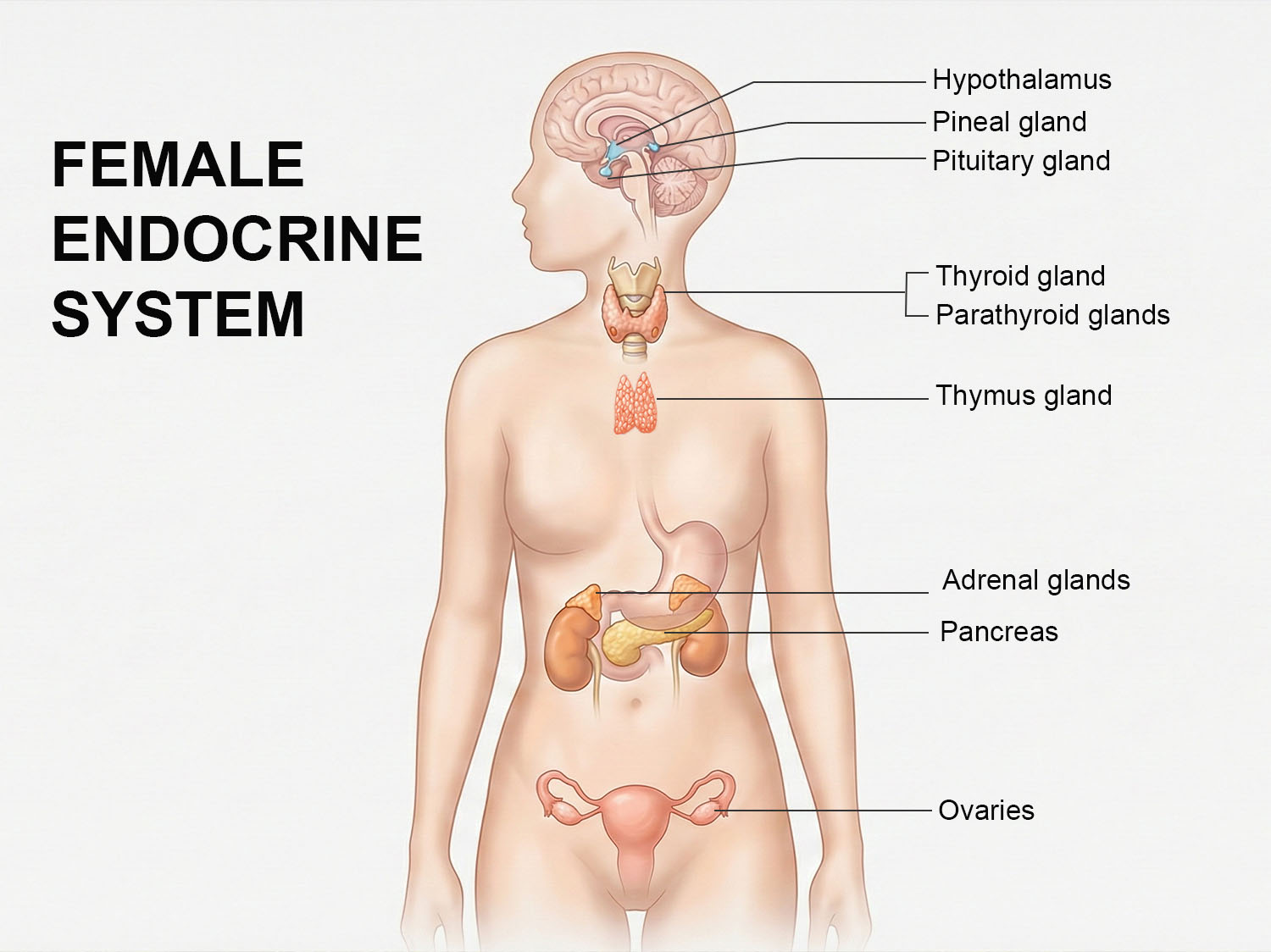
To understand why your mood swings or why your energy craters on a Tuesday afternoon, we have to look at the primary players in the female endocrine system.
Estrogen: The "Social" Hormone
Estrogen is often associated with physical traits, but its impact on the brain is profound. It acts as a natural stimulant, boosting the production of serotonin (the "feel-good" neurotransmitter) and dopamine (the reward and motivation chemical). When estrogen is high, women often report feeling more verbal, more social, and physically more capable. It sharpens memory and improves sleep quality by regulating body temperature.
Progesterone: The Great Relaxant
Produced primarily after ovulation, progesterone is the body’s natural valium. It interacts with GABA receptors in the brain, which helps soothe the nervous system and promote sleep. However, like any sedative, too much or a sudden drop-off can lead to brain fog, sluggishness, and a sense of emotional heaviness.
Cortisol: The Stress Manager
While not a sex hormone, cortisol is the "wild card" that dictates how the others perform. It governs our fight-or-flight response. When cortisol is chronically high due to external stress, it can "steal" the precursors needed to make progesterone, leading to a hormonal imbalance that manifests as "tired but wired" energy.
Quick-Start: Cycle Syncing Your Life
- Cycle tracking app or paper journal
- Basal body thermometer
- Magnesium glycinate supplement
- Eat protein at breakfast
- Track your mood daily
- Prioritize rest during 'Winter'
- Don't over-caffeinate on an empty stomach
- Avoid major life decisions during PMS
- Don't compare your Day 2 to your Day 14
The Four Phases of Energy
The female cycle is often compared to the four seasons. By looking at the month through this lens, we can begin to predict—and prepare for—fluctuations in mood and stamina.
1. The Winter (Menstrual Phase)
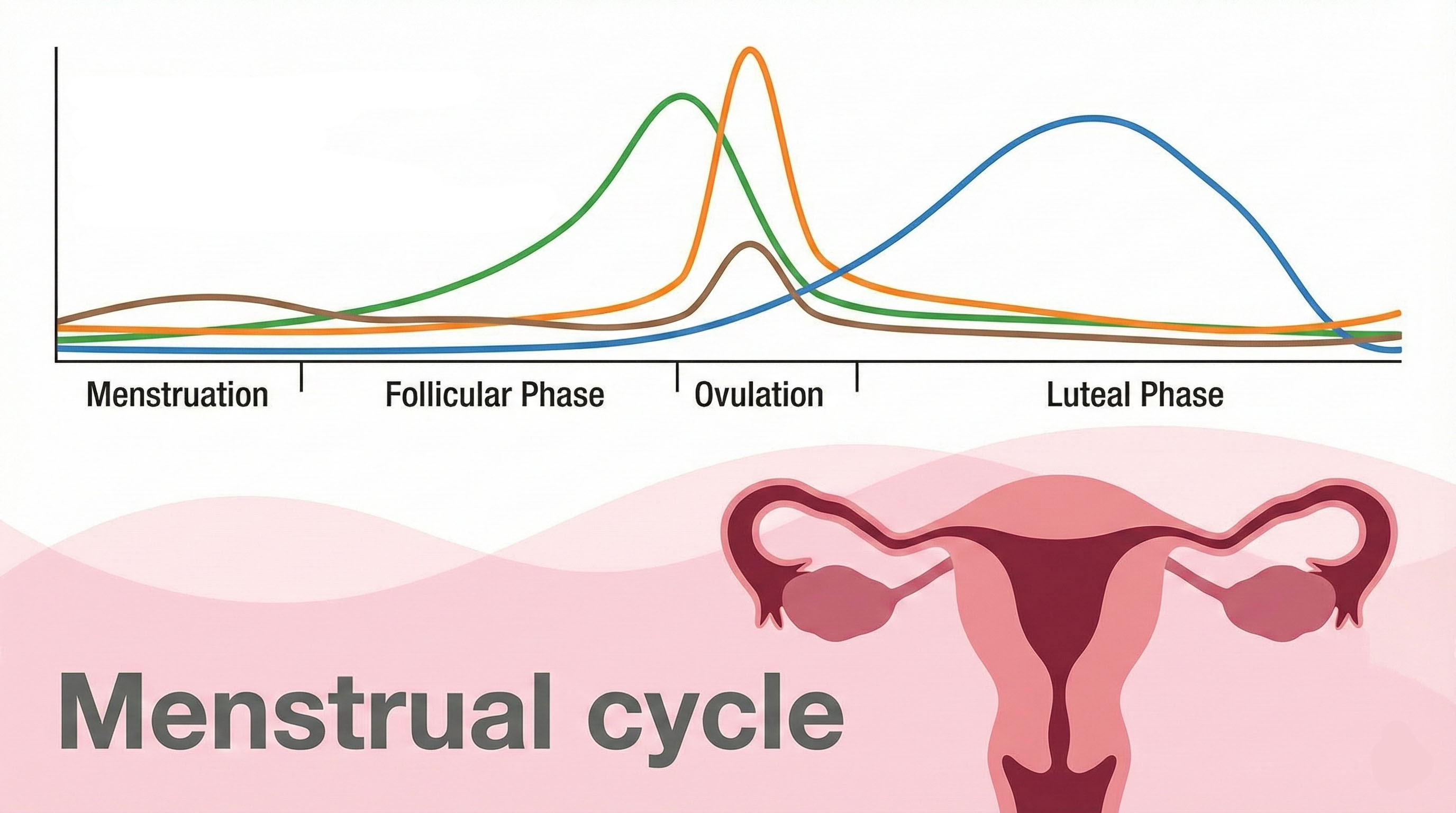
Days 1–5 In this phase, both estrogen and progesterone are at their lowest points. From a biological standpoint, the body is focused on the resource-intensive process of shedding the uterine lining.
Mood & Energy: You may feel a deep sense of "quiet." Energy levels are naturally lower, and the brain is more inclined toward introspection than outward action. This is often a time of heightened intuition but lower physical explosive power. The Strategy: This is the time for "maintenance mode." Prioritize restorative sleep and gentle movement like walking. If you find yourself feeling more sensitive to criticism, recognize that your neurological buffers are temporarily thinner.
2. The Spring (Follicular Phase)
Days 6–12 As the period ends, the brain signals the ovaries to prepare an egg. Estrogen begins its steady climb.
Mood & Energy: This is usually the "peak" of the month. As estrogen rises, it carries your mood and energy with it. You might find you need less caffeine, feel more adventurous, and process information more quickly. The rise in testosterone toward the end of this phase also increases physical strength and libido. The Strategy: Schedule your most demanding tasks here. Whether it's a difficult conversation, a big presentation, or hitting a new personal best in the gym, your biology is working in your favor.
3. The Summer (Ovulatory Phase)
Days 13–15 The brief window where an egg is released. Estrogen and testosterone peak.
Mood & Energy: Research suggests women are often most confident and communicative during ovulation. Energy is high, and social friction feels easier to navigate. However, some women experience a "mid-cycle dip" or "Mittelschmerz," where the sudden peak of hormones causes a brief spike in anxiety or physical discomfort. The Strategy: Leverage your communication skills. This is the prime time for networking and socializing.
4. The Autumn (Luteal Phase)
Days 16–28 This is the longest and most complex phase. Progesterone takes center stage. If pregnancy doesn't occur, both estrogen and progesterone plummet at the end of this phase, leading to the symptoms commonly known as PMS.
The things that bother you during the luteal phase are often the same things that bother you all month, but you simply have the social filters to ignore them.
”Mood & Energy: The early luteal phase can be quite pleasant—calm and focused. However, the "pre-menstrual" window (the final 5–7 days) is where the emotional heavy lifting happens. As hormones drop, so do serotonin levels. This can lead to irritability, cravings for carbohydrates (which the body uses to try and boost serotonin), and disrupted sleep. The Strategy: Practice "radical realism." If you feel overwhelmed, look at the calendar before you make any life-altering decisions. Your perception of stress is biologically heightened during this time.
| Phase | Dominant Hormone | Energy Level | Best Activity |
|---|---|---|---|
| Menstrual | Low Estrogen/Prog. | Reflective / Low | Rest & Planning |
| Follicular | Estrogen Rising | Rising / High | Learning & Socializing |
| Ovulatory | Estrogen Peak | Peak Energy | Hard Workouts / Meetings |
| Luteal | Progesterone | Focus / Turning Inward | Admin Tasks / Cooking |
The Energy Thieves: Why Some Days Feel Like a Marathon
Beyond the monthly cycle, our daily energy is governed by the interplay between insulin and cortisol. For women, these metabolic hormones are deeply sensitive to the sex hormones mentioned above.
When estrogen is high, women tend to be more insulin-sensitive, meaning the body handles sugar and carbohydrates efficiently. When progesterone rises in the second half of the cycle, the body becomes more insulin-resistant. This is why you might feel stable after a bowl of pasta in week two, but feel a "sugar crash" and extreme fatigue after the same meal in week four.
Furthermore, the "3:00 PM Slump" is a real physiological phenomenon. It occurs when cortisol levels take a natural dip in the afternoon. If you haven't fueled with adequate protein or if you’ve over-relied on caffeine, the body struggles to bridge this gap, leading to irritability—or "hanger."
Practical Management: Working With, Not Against, Your Body
We live in a world designed for a 24-hour hormonal cycle (the male cycle), which remains relatively stable day-to-day. The female cycle, however, is a 28-to-32-day journey. Trying to force a "Summer" level of productivity during your biological "Winter" is a recipe for burnout.
Tracking as a Tool
The first step in regaining control is data. Using a simple calendar or a tracking app to note your mood and energy levels for three months can reveal startling patterns. You may realize that your "anxiety" isn't a permanent personality trait, but a predictable event that occurs every 24th day of the month.
Nutritional Foundations
To stabilize mood, focus on "leveling the hills" of your blood sugar.
-
Protein-First: Aim for protein at every meal to provide the amino acids necessary for neurotransmitter production.
-
Magnesium: Often called "nature's relaxant," magnesium can help mitigate the cramping and insomnia associated with the late luteal phase.
-
Healthy Fats: Hormones are literally made from cholesterol and fats. Low-fat diets can sometimes exacerbate hormonal mood swings.
The Role of Light and Sleep
Our endocrine system is governed by the circadian rhythm. Exposure to natural sunlight within 30 minutes of waking helps set your cortisol "timer" for the day, ensuring it peaks in the morning when you need energy and drops in the evening when you need rest. For women, sleep quality is often compromised just before the period begins due to a slight rise in core body temperature; keeping the bedroom cool and avoiding screens can help maintain the deep sleep needed for emotional regulation.
Hormone Health FAQs
The Mental Shift: From Frustration to Insight
It is common to feel frustrated by these fluctuations. We want to be consistent, reliable, and "level." However, there is a distinct advantage to the hormonal shift.
The low-hormone phase at the end of the month often brings a "narrowing of focus." While the high-estrogen phase makes us more accommodating and agreeable, the pre-menstrual phase can act as a truth-teller. The things that bother you during this time are often the same things that bother you all month, but you simply have the "social filters" to ignore them. Use this time not to lash out, but to take note of what parts of your life feel unsustainable.
Hormones are not a cage; they are a sophisticated internal guidance system. When we stop fighting the tide and start learning to sail with it, we find that our energy becomes more sustainable and our moods more navigable. You are not "crazy," and you are not "unstable." You are a complex biological system, responding exactly as you were designed to.
Would you like me to create a sample three-day meal plan designed to support energy stability during the high-progesterone luteal phase?
Disclaimer: The articles and information provided by the Vagina Institute are for informational and educational purposes only. This content is not intended to be a substitute for professional medical advice, diagnosis, or treatment. Always seek the advice of your physician or another qualified health provider with any questions you may have regarding a medical condition.