



 Deutsch
  English
  Español
  Français
How to Explore Solo Sexuality Confidently and Safely
Solo sexuality is a private relationship each woman builds with her own body. For some, it grows naturally over time. For others, it takes intention, curiosity, and practice. The goal is not to achieve a specific result or to match someone else’s rhythm—it’s to understand your own desires, sensations, boundaries, and comfort levels in a way that feels grounded and safe.
While culture often frames women’s sexuality through the lens of relationships or partnership, solo exploration plays a vital role in long-term sexual health and self-knowledge. When you understand your own preferences, responses, and limits, you bring more clarity into partnered intimacy—but more importantly, you cultivate a sense of agency and ease within yourself.
This guide offers a structured, non-judgmental approach to exploring solo sexuality with confidence and physical safety. You can use it whether you’re just beginning or refining long-familiar habits.
In Brief
- Solo sexuality is a normal part of understanding your own body and preferences.
- Safety begins with privacy, comfort, and a pace that feels right for you.
- Tools and toys are optional; curiosity, consent with yourself, and care are essential.
- Solo exploration can make communication in partnered sex clearer and more relaxed.
Quick-Start: Solo Exploration Essentials
Short on time but curious? Start with these basics.
- Choose a time when you won’t be interrupted.
- Have lubricant, tissues, and a glass of water nearby.
- Begin with gentle, external touch before anything internal.
- Water-based lubricant
- Small external vibrator (optional)
- Soft towel or blanket
- Move slowly and adjust pressure.
- Check in with your body and emotions.
- Stop if something feels off.
- Rush yourself.
- Use harsh or scented products internally.
- Ignore pain or consistent discomfort.
1. Reframing Solo Sexuality: Permission, Comfort, and Curiosity
Cultural Insight
Cultural attitudes toward solo sexuality range widely. Some communities speak about it openly as part of women’s health, while others keep the topic quiet or private.
Regardless of those messages, your personal comfort and safety at home can guide how you choose to explore.
Many women grow up with mixed messages about sexual exploration, even when fully adult and independent. Internal hesitation can come from upbringing, cultural influences, or simply a lack of education.
To approach solo sexuality with confidence, start by reframing it in three ways:
Permission
Solo exploration is not indulgent, strange, or unproductive. It’s a normal part of understanding your body. From a health perspective, it supports pelvic blood flow, lubrication awareness, and stress reduction.
Giving yourself permission doesn’t require announcing it to anyone or adopting a new identity around it. It’s simply acknowledging that your curiosity is valid.
Comfort
Your emotional comfort matters as much as your physical comfort. Some women prefer quiet evenings; others feel more relaxed earlier in the day. What matters is choosing a moment when you feel calm, unrushed, and private.
Curiosity
Treat the experience as exploration rather than performance. There is no goal to hit, no technique you must master, and no comparison to make. Curiosity allows you to notice subtle sensations and discover what feels good without pressure.
2. Creating a Safe, Calm Environment for Exploration
A safe setting provides both physical and psychological grounding. Consider the following elements:
Privacy
Make sure your environment lets you relax. Lock the door if it helps, silence notifications, and ensure you won’t be interrupted. Safety begins when your mind doesn’t need to monitor the environment.
Temperature & Lighting
Comfort matters more than aesthetics, but soft lighting or a warm blanket can help your body relax. Pelvic muscles respond best when the rest of your body is not tense.
Positioning
Experiment with positions that let your hips and lower back rest comfortably. Common choices include:
-
Lying on your back with knees bent
-
Semi-reclined with pillows
-
Side-lying with one knee forward
-
Sitting with legs relaxed
None is better than another—choose what feels natural.
Optional Enhancements
These enhance physical comfort:
-
Lubricant: Choose water-based or silicone-based depending on what feels best. Women of all ages can benefit from lubricant, even if natural lubrication is typically strong.
-
Warm compress: A small warm compress over the inner thighs or lower pelvis can increase blood flow and relaxation.
-
A slow start: Deep breathing at the beginning can settle your system and reduce tension.

3. Understanding Arousal Signals and Consent With Yourself
Consent doesn’t only apply to partnered sex. It also applies to the relationship you maintain with yourself.
Physical signals of readiness
-
Gentle warmth in the pelvic region
-
Relaxation in the lower belly
-
Heightened sensitivity to touch
-
A natural lean toward stimulation instead of away from it
Emotional signals of readiness
-
Curiosity
-
Calmness
-
A sense of comfort rather than obligation
-
Feeling in control of pace and pressure
If tension or uneasiness arises, that’s not a failure—simply pause, breathe, and adjust. Solo sexuality is not linear; it’s responsive.
Your pace is the standard
There is no “right” timeline for arousal. Whether it takes minutes or an hour, what matters is that it aligns with your body’s natural rhythm.
4. Exploring Touch: Techniques, Sensations, and Sensitivity
Every woman’s sensory map is different, but certain principles help guide exploration safely.
Start with external touch
Before anything internal, learn your external responses.
-
Light touch: Use the back of your hand or fingertips to explore temperature sensitivity.
-
Pressure variation: Try gentle, moderate, or firmer pressure and notice how your body reacts.
-
Movement: Circular, up-and-down, side-to-side—each creates a different sensation.
The purpose is not climax; it’s mapping what your body likes.
Internal exploration (optional)
If you choose to explore internally:
-
Use lubricant generously
-
Move slowly and stop at any discomfort
-
Notice pelvic floor reactions—tightening, relaxing, or pulsing
You’re learning your internal cues, not attempting to replicate partnered intercourse.
Breathing & relaxation
Slow exhalation is especially helpful. It can soften pelvic muscles and support pleasure rather than tension.
5. Using Tools or Toys Safely
Many women use toys, but they are not mandatory. If you choose to include them, follow these safety guidelines:
Material Matters
Choose high-quality body-safe materials:
-
Silicone
-
Stainless steel
-
Borosilicate glass
Avoid unknown materials or heavily scented products.
Size & Shape
If you’re new to toys, start smaller. The goal is ease, not stretching or intensity. A slim external toy can be just as satisfying as a larger one.
Cleaning
Before and after use, wash with warm water and mild soap. Air-dry when possible. For silicone toys without motors, you can occasionally boil them for deeper sterilization, following manufacturer guidelines.
Motor Safety
For vibrators:
-
Do not use on broken skin
-
Start with the lowest intensity
-
Avoid prolonged use at a single pressure point to prevent numbing
Storage
Keep toys in a clean pouch away from dust and lint. Avoid storing them in direct contact with unknown plastics.
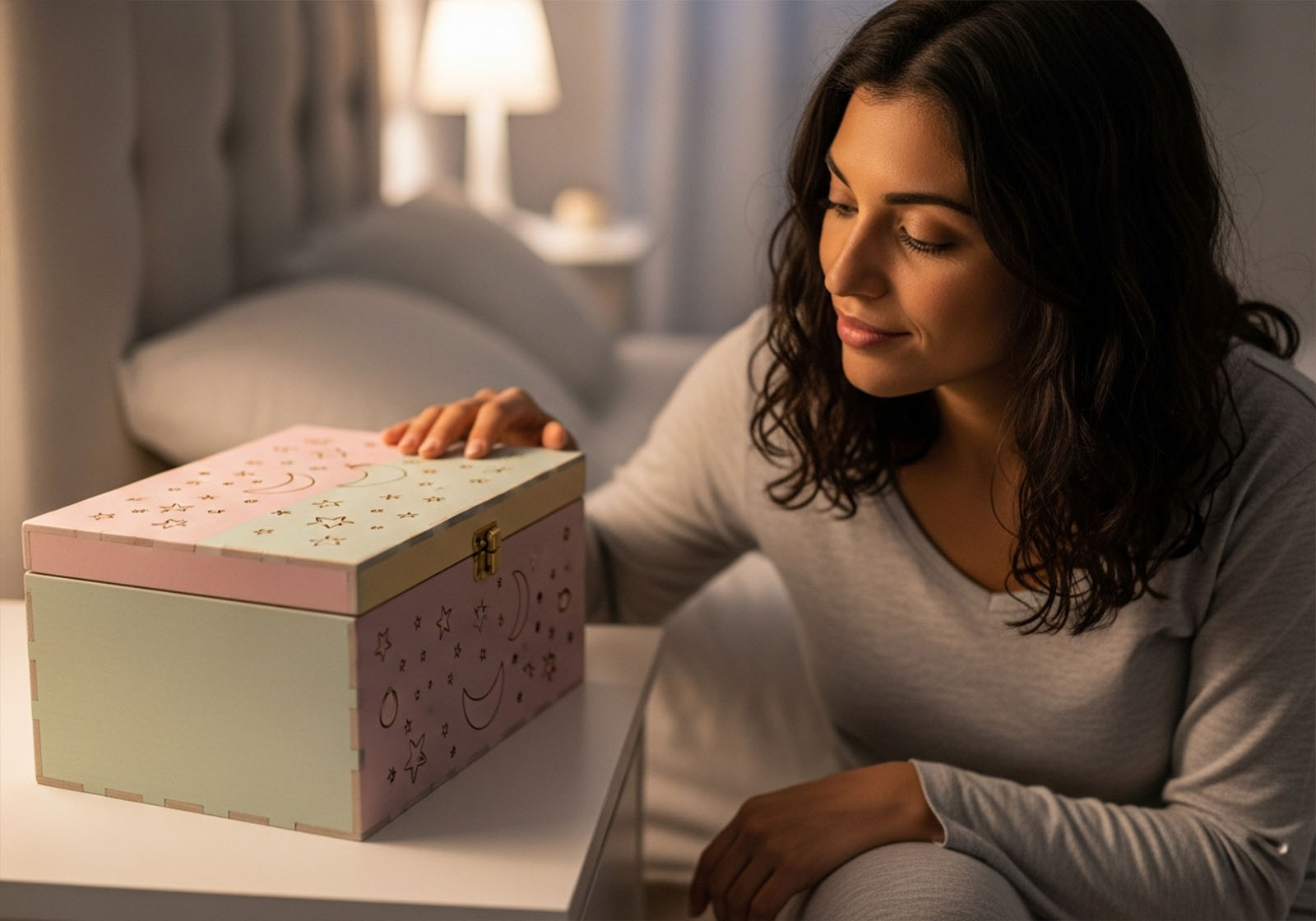
Comfort & Safety Checklist for Solo Exploration
| Step | What to Check | Why it Matters |
|---|---|---|
| Privacy | Door closed, phone silenced, no expected interruptions. | Helps your nervous system relax and stay present. |
| Comfort | Supportive pillows, warm room, comfortable clothing or nude. | Reduces tension in hips, back, and pelvic muscles. |
| Lubrication | Water- or silicone-based lube within reach, not expired. | Prevents friction and supports gentle, comfortable touch. |
| Clean Hands & Toys | Wash with mild soap and warm water before and after. | Reduces risk of irritation or infection. |
| Pace & Mood | You feel curious, not pressured. You can stop at any time. | Protects emotional wellbeing and makes pleasure more likely. |
6. Managing Anxiety, Hesitation, or Overthinking
Many women experience mental chatter during solo sexual exploration. This is normal.
When your mind feels busy
Try anchoring yourself with one of these:
-
Focus on bodily sensations rather than thoughts
-
Slow breathing—four seconds in, six seconds out
-
Switching positions to reset your body’s sense of grounding
If shame or old beliefs appear
Internalized messages can surface unexpectedly. Instead of pushing them away, calmly acknowledge them and return to the present moment. Solo exploration is not a moral issue; it’s a personal experience.
If you experience numbness
This is common—stress, hormonal fluctuations, or pelvic floor tension can all influence sensitivity. Experiment with:
-
Slower pace
-
More lubricant
-
A warm compress
-
A different angle or hand
-
A brief pause to change context
Your body is not malfunctioning; it’s communicating.
A Gentle Solo Session Flow
- 1. Set your space – Close the door, adjust lights, choose music or quiet.
- 2. Settle your body – Breathe slowly, stretch your hips, release your shoulders.
- 3. Start with gentle touch – Explore outer thighs, belly, chest, and then external genitals.
- 4. Adjust pace and pressure – Notice what feels pleasant; keep your jaw and pelvic floor soft.
- 5. Add tools if you wish – Only if they feel inviting, never obligatory.
- 6. Pause or continue – You can stop, rest, or take things further. Every option is valid.
- 7. Aftercare – Drink water, breathe, and notice how your body feels afterward.
7. When Pleasure Feels Elusive
Pleasure varies day to day. Some evenings, everything feels responsive; other times, sensations feel muted.
Expect normal fluctuations
Factors that influence arousal:
-
Fatigue
-
Hydration
-
Stress
-
Medications
-
Hormonal shifts
-
Recent exercise or lack of movement
If you find pleasure consistently difficult, consider exploring:
-
Pelvic floor relaxation techniques
-
More varied external touch
-
A longer warm-up period
-
Speaking with a pelvic health professional for persistent discomfort
Take breaks without judgment
Pausing a session doesn’t signal failure. Solo exploration is not a task you must complete—it’s a relationship with your body that you can revisit anytime.
8. Building a Solo Practice That Feels Mature and Confident
If you want to explore regularly, structure can help. You don’t need a strict routine—simply habits that support positive experiences.
A Pre-Exploration Ritual
This might include:
-
Stretching your hips
-
Tidying your space
-
Taking a warm shower
-
Lighting a candle
-
Listening to relaxing audio
These cues tell your nervous system it’s safe to shift into a more sensual mindset.
Setting the Tone
Some women enjoy silence; others prefer music or ambient sound. Choose what reduces self-consciousness and encourages presence.
Taking Your Time
Rushing creates tension and may reduce sensitivity. Pace is central to pleasure.
Ending Gently
After climax—or after stopping for any reason—allow yourself a few minutes to relax and breathe. This helps your nervous system settle and can contribute to a sense of emotional wellbeing.
9. Emotional Aftercare: What to Expect and How to Support Yourself
After solo exploration, women may experience a range of reactions—contentment, sleepiness, emotional openness, or occasionally a sense of vulnerability. All are normal.
Supportive Aftercare Practices
-
Drink water
-
Use a warm or cool compress if the pelvic area feels sensitive
-
Take a brief shower
-
Write down any sensations or responses that surprised you
If unexpected sadness appears
Post-orgasm feelings can shift due to hormonal or neurological responses. It is not necessarily reflective of deeper emotional issues. If it becomes frequent or intrusive, exploring it with a therapist who specializes in sexual or somatic health can be helpful.
“Solo sexuality is not a test you pass; it is an ongoing conversation between your body, your mind, and your boundaries.”
10. When Solo Sexuality Improves Partnered Intimacy
Understanding your body leads to clearer communication in relationships.
Benefits for partnered intimacy
-
Improved clarity about what you enjoy
-
Increased confidence asking for what you want
-
Enhanced body awareness
-
Reduced performance pressure
-
More mutual enjoyment for both partners
Men generally respond well when women can communicate their preferences clearly—whether that involves pace, pressure, or specific types of touch. Solo exploration gives you language and bodily familiarity to express those needs.
11. Safety Considerations: Physical, Emotional, and Digital
Physical safety
-
Use lubricant to reduce friction
-
Avoid inserting anything not designed for internal use
-
Stop immediately if you feel sharp pain
-
Wash toys and hands before and after
Emotional safety
-
Avoid forcing yourself if you’re tired or stressed
-
Allow pauses and breaks
-
Speak to a professional if you experience ongoing discomfort or negative emotional patterns
Digital safety (if consuming erotic content)
-
Use reputable platforms
-
Avoid sharing personal information
-
Keep personal exploration private if that aligns with your comfort level
Digital choices are personal; choose what supports, not distorts, your experience.
12. Myths About Solo Sexuality—And Clear, Evidence-Based Answers
Myth: “If I explore alone too often, I’ll become less interested in partnered sex.”
Reality: Research does not support this. In most cases, solo exploration enhances partnered intimacy because it increases familiarity with your own arousal patterns.
Myth: “Using toys will make my body less responsive.”
Reality: Toys do not “damage” sensitivity. Temporary numbness can occur if strong vibration is held in one place for too long, but it is short-lived.
Myth: “It’s only healthy if it leads to climax.”
Reality: Arousal, exploration, and curiosity have benefits on their own—stress reduction, pelvic blood flow, and relaxation do not depend on orgasm.
Myth: “Solo exploration is something women grow out of.”
Reality: Many women continue exploring throughout adulthood, including during menopause. It remains normal at every life stage.
Questions Women Often Ask
13. Signs You’re Building a Confident, Healthy Relationship With Solo Sexuality
-
You feel relaxed rather than pressured
-
You approach it with curiosity instead of judgment
-
You can stop at any point without guilt
-
Your experiences feel emotionally neutral to positive
-
You notice shifts in sensitivity and preferences over time
-
You feel increasingly comfortable communicating with partners
Confidence doesn’t mean perfection; it means comfort with your own pace, needs, and curiosity.
Did You Know?
Many women notice that solo exploration helps them use clearer language when talking about sex with a partner. Knowing what you like on your own can make it easier to ask for it in a shared bed.
14. Closing Thoughts
Solo sexuality is a personal form of self-knowledge. When approached with care, patience, and safety, it becomes an intimate conversation between your body and your mind. It can be playful, calming, exploratory, or simply a moment of stress relief—there is no required meaning behind it.
The takeaway is simple: your relationship with your own sensuality belongs to you. You can shape it, adjust it, experiment with it, or revisit it whenever you choose. Confidence grows naturally when you trust that nothing about your curiosity is strange or wrong—it is simply human.
If you honor your comfort, prioritize safety, and treat your body with calm respect, solo exploration can become one of the most grounding practices in your personal life.
Disclaimer: The articles and information provided by the Vagina Institute are for informational and educational purposes only. This content is not intended to be a substitute for professional medical advice, diagnosis, or treatment. Always seek the advice of your physician or another qualified health provider with any questions you may have regarding a medical condition.