English
  Español
  Português



There is something almost instinctive about the way women adjust their skin-care routines as the calendar turns. We reach for richer creams in January and lighter gels in July. We exfoliate more in spring, protect more in summer. We do this for our faces without a second thought. But one area of the body that rarely gets the same seasonal attention — and probably deserves it most — is the vulva.
In Brief
Vulva skin is among the most sensitive on the body — thin, hormonally responsive, and constantly adapting to temperature, sweat, friction, and fabric. Most women give it almost no deliberate care, yet notice immediately when something goes wrong.
This guide breaks down what your vulva skin actually needs across spring, summer, autumn, and winter — using natural, straightforward approaches that work with your body rather than against it.
The skin of the vulva is uniquely reactive. It is thinner than most skin elsewhere on the body, richly supplied with nerve endings, and directly influenced by hormones. It lives in a warm, often occluded environment — pressed against fabric, affected by sweat, movement, and moisture in ways facial skin never is. And yet the standard advice most women have ever received amounts to little more than "use gentle soap and wear cotton underwear."
That guidance is not wrong. But it is nowhere near complete.
What follows is a practical, season-by-season approach to keeping vulva skin naturally soft, smooth, and comfortable throughout the year — without harsh chemicals, unnecessary products, or anxiety about getting it right.
Did You Know?
The vulva's outer skin (the labia majora) contains sebaceous glands that produce natural oils — your built-in moisture system. Harsh soaps and over-washing strip this protective layer, creating a cycle of dryness, irritation, and itching. Less is genuinely more.
Understanding the Skin You're Working With
Before any seasonal approach can make sense, it helps to understand why vulva skin behaves the way it does.
The outer vulva — the labia majora and the mons pubis — is covered in skin that is structurally similar to the rest of your body but far more sensitive to pH shifts, friction, and chemical exposure. It contains hair follicles, sweat glands, and sebaceous glands. The inner labia and vestibule are technically mucosal tissue, not skin in the traditional sense — they have no sweat or oil glands and maintain moisture through a different mechanism entirely.
This means that care strategies need to account for two different tissue types working side by side. What soothes the outer labia may be irritating if it migrates inward. What keeps the inner tissue healthy — primarily, leaving it completely alone — is often counterintuitive for women who feel that more product equals more care.
Hormones also play a significant role. Estrogen keeps vulva tissue supple and well-hydrated. As levels shift — monthly with the menstrual cycle, seasonally to a lesser degree, and more dramatically with pregnancy, postpartum recovery, perimenopause, and menopause — the skin's needs shift along with them. A woman in her twenties and a woman in her forties may need entirely different approaches, even following the same seasonal framework.
"What soothes the outer labia may be irritating if it migrates inward. More product does not equal more care — especially here."
— Lexi Pierce
Spring: Reset, Renew, and Rebalance
Spring is the season of transition — and for vulva skin, that transition can be both welcome and challenging. Warmer temperatures return, layers of clothing come off, and skin that has been sealed under wool and heavy fabric all winter suddenly has room to breathe again.
The most important spring task is a gentle reset. After months of drier indoor air and heavier fabrics, the outer vulva skin can accumulate dryness, minor flaking around the hairline, or ingrown hairs from winter shaving habits. This is the right time to introduce a mild exfoliation routine — very gently, and only on the labia majora and mons pubis, never on inner tissues.
A soft washcloth used in circular motions twice a week during bathing is often enough. Those who prefer a product can look for a fragrance-free, gentle exfoliant designed for sensitive skin — colloidal oatmeal-based formulas are particularly well-tolerated. Avoid any product with synthetic fragrance, glycolic acid concentrations above five percent, or physical scrub particles that are too coarse.
Spring is also the time to reassess your hair removal approach. Whether you shave, wax, or use another method, the regrowth patterns that develop over winter often lead to ingrown hairs and follicle irritation as warmer months approach. Keeping the skin moisturized between sessions — with a fragrance-free oil like sweet almond or jojoba applied to the outer labia only — significantly reduces friction-related irritation and supports smoother regrowth.
Clothing choices matter too. Switch back to breathable cotton underwear as soon as the weather allows, and consider going without underwear at night and day if possible to allow skin to recover from a full day of friction and moisture retention.
🌱 Quick-Start: Spring Vulva Skin Reset
Tools & Ingredients
- Soft muslin washcloth
- Fragrance-free gentle cleanser (pH-balanced)
- Jojoba or sweet almond oil
- 100% cotton underwear
- Fragrance-free soothing moisturizer (outer skin only)
✔ Do
- Exfoliate outer skin gently 1–2×/week
- Moisturize after hair removal
- Air out skin nightly without underwear
- Wash with lukewarm (not hot) water
✘ Don't
- Use scented soaps or washes inside the vulva
- Apply exfoliant to inner labia or vestibule
- Shave dry skin without oil or foam
- Wear synthetic fabrics all day in warming weather
Summer: Protect, Soothe, and Stay Fresh
Summer brings the most demanding conditions for vulva skin. Heat, sweat, tight swimwear, chlorine, sand, and prolonged moisture create a perfect environment for friction, pH disruption, and irritation. The goal in summer is less about treating dryness and more about managing excess moisture and protecting already-sensitive skin from aggravating conditions.
Sweat is the primary summer challenge. The vulva area generates significant sweat, particularly during exercise, outdoor activities, or simply sitting in heat for long periods. That moisture, trapped against skin by underwear or activewear, raises the local pH and creates conditions where skin can become inflamed or where minor irritations can worsen quickly.
Changing out of sweaty workout clothes immediately after exercise is not just a gym-class rule — it is genuinely one of the most effective things a woman can do for vulva skin health in summer. Rinsing the outer area with cool, plain water after a gym session, a beach trip, or a particularly hot day helps neutralize sweat residue without disrupting the skin's natural balance.
Swimwear deserves specific attention. Sitting in a wet swimsuit for extended periods after leaving the water is one of the most common summer triggers for irritation and folliculitis (inflammation of hair follicles). Changing into dry clothing as soon as reasonably possible, and rinsing with plain water to remove chlorine or salt, makes a significant difference over the course of a summer season.
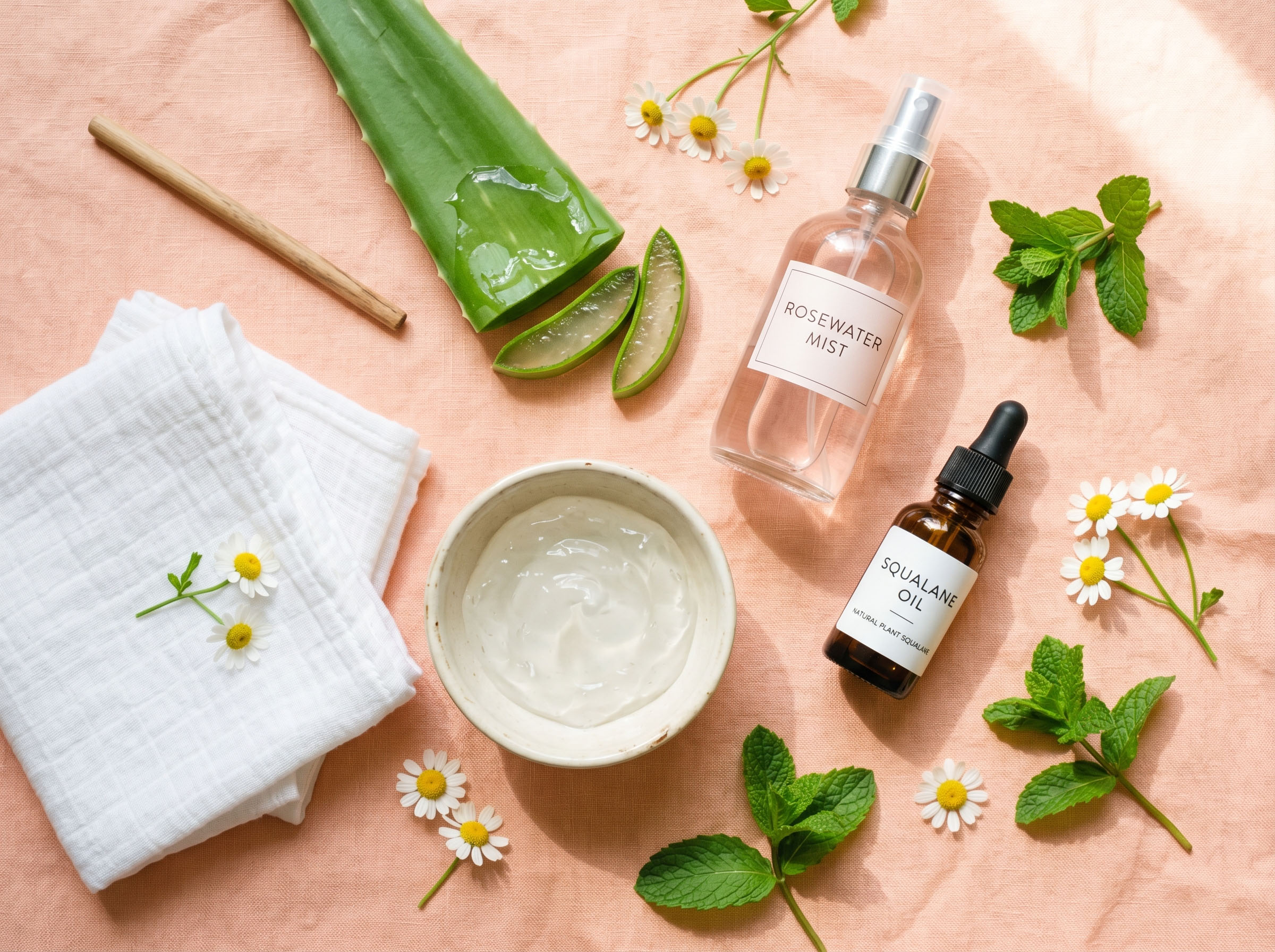
For women who shave or wax, summer often means more frequent hair removal — which means more frequent opportunities for ingrown hairs, razor burn, and follicle irritation. A lightweight, non-comedogenic oil (rosehip or squalane work well in heat) applied to the outer skin after removal keeps the skin barrier intact without feeling heavy. Avoid heavy creams in summer heat, which can trap moisture uncomfortably.
One underrated summer habit: wearing loose cotton or linen clothing in warm weather, especially at home. The reduction in friction and moisture retention alone can dramatically reduce irritation for women prone to summertime discomfort.
📊 By the Numbers
4.5
Ideal outer vulva skin pH (slightly acidic, like the rest of your skin)
3×
More likely to experience folliculitis if you sit in a wet swimsuit for over 30 minutes
48 hrs
Minimum recovery time for skin after waxing before applying any active product
100%
Cotton underwear — still the single most-recommended fabric by dermatologists for intimate skin
Autumn: Restore, Repair, and Prepare
Autumn is the season that most resembles a skincare exhale. The frenetic conditions of summer — heat, sweat, sun, salt — begin to ease, and there is real opportunity to repair any damage that accumulated over the warmer months and prepare the skin for the drier season ahead.
This is the ideal time to focus on barrier restoration. If summer left your outer vulva skin feeling rough, uneven, or occasionally itchy, a regular moisturizing routine using a simple, fragrance-free emollient can rebuild the skin's protective layer over several weeks. Pure shea butter, applied sparingly to the outer labia only, is one of the most effective and time-tested options. It is rich in fatty acids that closely mimic the skin's natural lipid structure, absorbs without residue, and contains no ingredients that are likely to trigger sensitivity.
Autumn is also when many women begin transitioning back to heavier clothing — tighter jeans, leggings, and layered fabrics that increase friction. Paying attention to seam placement in trousers and leggings is not a minor consideration; seams that run directly along the inner labia area can cause real irritation over a full day of wear. Seamless underwear, or styles with a flat-stitched gusset, can eliminate a source of chronic irritation many women do not even realize is there.
For women who experience dryness as estrogen levels shift in the lead-up to perimenopause, autumn often marks the beginning of that seasonal dip. A plant-based approach worth discussing with a healthcare provider is the use of vitamin E oil (applied topically to outer tissues only) which has a long traditional history of supporting skin suppleness. The American Academy of Dermatology's guidance on dry skin provides a solid framework for understanding how skin barrier function changes with both season and age — principles that translate directly to vulva skin care.
Winter: Deep Nourish, Protect, and Comfort
Winter is the season that demands the most deliberate care for vulva skin. Indoor heating dramatically reduces air humidity, which draws moisture out of all skin — including the thin, responsive skin of the outer vulva. Thick tights, thermal underwear, and heavy fabrics create a sealed, warm environment that reduces breathability. And for women experiencing hormonal fluctuations, dryness and occasional discomfort often peak in the colder months.
The foundation of a winter routine is hydration — from the inside out. There is a direct relationship between overall hydration and skin moisture retention. Women who drink adequate water through the winter months tend to experience less severe seasonal skin dryness, full stop. This is not complicated, but it is consistently underestimated.
Topically, winter calls for a slightly richer approach to outer vulva moisturizing. Where a light oil sufficed in summer, cooler months may call for a balm-style product — something with a blend of shea or cocoa butter, a plant oil, and potentially a small amount of beeswax for occlusive protection. Applied to the outer labia after bathing, while the skin is still slightly damp, this locks in moisture effectively.
Bathing temperature is a frequently overlooked winter factor. Hot baths and showers feel wonderful in cold weather but actively strip the skin's natural oils — including in the vulva area. Keeping water at a warm rather than hot temperature, and limiting bath time to fifteen to twenty minutes, preserves far more of the skin's natural moisture barrier. Adding a small amount of colloidal oatmeal to a bath is a time-honoured approach to soothing any winter irritation while bathing.
Layering choices matter in winter too. Tight thermal underwear made from synthetic fabrics worn for twelve or more hours a day creates chronic low-level friction and reduces airflow. Where possible, choosing natural fibre thermals — merino wool or organic cotton — and looser outer layers reduces this effect considerably.
🌿 At a Glance: Seasonal Vulva Skin Care Guide
| Season | Primary Challenge | Key Focus | Best Natural Ingredient | Avoid |
|---|---|---|---|---|
| 🌸 Spring | Winter dryness, ingrown hairs, re-adjusting to warmth | Gentle exfoliation & reset | Jojoba oil, colloidal oatmeal | Harsh scrubs, synthetic fabrics |
| ☀️ Summer | Sweat, moisture, friction, chlorine, folliculitis | Freshness & protection | Aloe vera, squalane, rosewater mist | Sitting in wet swimwear, tight synthetics |
| 🍂 Autumn | Post-summer repair, friction from heavier clothes | Barrier restoration | Shea butter, vitamin E oil | Seamed leggings, fragrance in any form |
| ❄️ Winter | Indoor heat, low humidity, dryness, tight fabrics | Deep nourishment | Shea balm, colloidal oatmeal bath | Hot baths, synthetic thermals all day |
What to Use and What to Leave on the Shelf
One of the most persistent sources of vulva skin irritation is the product aisle itself. The beauty and personal care industry is filled with products marketed specifically at intimate skin — washes, sprays, wipes, mists, toners, and serums — many of which contain fragrances, preservatives, or active ingredients that do more harm than good in this area.
The most effective approach for the inner vulva and vaginal opening is no product at all, ever. Plain water during bathing is genuinely sufficient. The vagina is self-cleaning; adding products to that equation only disrupts the microbial balance that keeps it healthy.
For the outer vulva — the labia majora, the mons pubis, and the outer aspects of the perineum — a very short list of well-tolerated natural ingredients covers almost everything the skin needs:
- Jojoba oil — Structurally similar to the skin's own sebum; absorbs cleanly and is unlikely to clog follicles.
- Sweet almond oil — Gentle, rich in vitamin E, and ideal for post-hair-removal soothing.
- Shea butter (unrefined) — Rich emollient for barrier repair; best used in cooler months or after irritation.
- Colloidal oatmeal — Clinically established for soothing dry, itchy skin; works as a bath addition or a gentle cream base.
- Aloe vera (pure) — Lightweight, cooling, and anti-inflammatory; ideal in summer or after waxing.
- Vitamin E oil (as tocopherol) — Supports skin repair and elasticity when applied topically to outer tissue.
That list covers spring through winter with very few additional purchases needed.
The NHS guidance on vaginal and vulval health aligns with this minimal, gentle approach — recommending plain water and no internal products as the baseline of good vulva hygiene.
🌍 Cultural Insight
The Women of West Africa & Shea Butter
For centuries, women in Ghana, Burkina Faso, and neighbouring countries have processed raw shea nuts by hand to produce an unrefined butter used across the entire body — including intimate skin — from infancy through old age.
Traditional shea (called karité in French West Africa) is far richer in active fatty acids and antioxidants than the refined white commercial version. Women in these communities have long understood something modern dermatology confirms: that simple, unprocessed plant fats are among the most effective and least harmful emollients available.
Hair Removal: The Honest Guide
Hair removal is its own seasonal rhythm for many women. Bare styles are more common in summer; some women grow out partially through winter. Whatever approach you take, the skin care principles around removal are consistent year-round, even if their importance varies by season.
Shaving is the most common method and the one most likely to cause irritation when done carelessly. The non-negotiables: always shave in the direction of hair growth (not against), always use a sharp, clean razor, always use a lubricating medium (oil or fragrance-free foam), and always moisturize afterwards. Shaving against the grain produces a closer cut but dramatically increases the likelihood of ingrown hairs and razor burn — particularly in the summer heat or the dry air of winter.
Waxing removes hair from the root, which means results last longer but the skin is more acutely stressed immediately after. The 48-hour window post-waxing is a true recovery period — no swimming, no excessive heat, no tight clothing, no active products. A plain aloe vera gel is the only thing that should touch that skin in the day or two following a wax.
Laser hair removal, for women considering a more permanent solution, is most effective when the skin is not recently tanned — which means autumn and winter appointments are typically more productive than summer ones. It also requires strict sun avoidance on treated areas, which is naturally easier in cooler, more covered months.
Regardless of removal method, ingrown hairs are the most common complaint. Gentle, consistent exfoliation of the outer skin between sessions — combined with adequate moisturizing — is the single best prevention strategy. There is no product that dissolves ingrown hairs after they form as effectively as consistent care prevents them from forming in the first place.
🌿 Try This at Home: Two-Ingredient Post-Shave Soothing Oil
Mix 1 tablespoon sweet almond oil with 3–4 drops of pure vitamin E oil (break open a capsule). Shake or stir to combine and store in a small dark glass bottle.
How to use: After shaving the outer vulva area and patting dry, apply a few drops to the skin and massage gently. The combination soothes razor irritation, supports follicle recovery, and keeps the skin moisturized between sessions.
Use for: Outer labia majora and mons pubis only. Not for internal tissues. Patch-test on inner wrist first if you have known skin sensitivities.
Listening to Your Skin
The most useful skill any woman can develop when it comes to vulva skin care is attentiveness. The skin in this area communicates clearly when something is wrong — and equally clearly when a routine is working.
Persistent itching, redness that does not resolve within a day or two, unusual texture changes, or any new lumps or lesions are not things to address with more moisturizer. They are reasons to speak with a healthcare provider. This guide is about maintenance and aesthetics for healthy skin, not a substitute for medical care when something has genuinely changed.
But within the wide range of normal variation — seasonal dryness, minor post-shave sensitivity, slight roughness at the hair follicles — a thoughtful, natural care routine applied consistently does make a meaningful difference. The skin responds. It softens. It becomes less reactive. Not because of any one product, but because of steady, respectful attention.
That, ultimately, is what self-care means in practice: not elaborate rituals or expensive serums, but showing up for your own body with regularity and care. Season after season.
A Gentle Reminder
The goal of vulva skin care is comfort and health — not perfection or conformity to any aesthetic standard. Smooth, soft, well-maintained skin is happy skin. What happy looks like is yours to define.
Frequently Asked Questions
Disclaimer: This content is for informational and educational purposes only and does not constitute medical advice. It is not intended to be a substitute for professional diagnosis or treatment. Always consult with a qualified healthcare provider regarding any medical condition or treatment plan. Never disregard professional medical advice because of something you have read here.