English
  Español
  Português



Your body runs on hormones. Not metaphorically — literally. The chemical messengers that govern your energy, mood, weight, sleep, libido, and metabolism are constantly being shaped by the choices you make every day. And one of the most powerful things you can do for hormonal health isn't a prescription, a supplement stack, or an elimination diet. It's moving your body in the right way, at the right intensity, with the right balance.
The relationship between exercise and hormones is a two-way conversation. Physical activity signals your endocrine system. Your endocrine system, in turn, determines how well you recover, how efficiently you burn fat, how deeply you sleep, and whether your cycle stays regular. When that conversation flows well, you feel it — clear-headed, energized, strong, and steady. When it breaks down, the signs show up in your body long before any bloodwork catches up.
The good news is that understanding this dynamic doesn't require a degree in biochemistry. It requires knowing a few key principles about how cardio and strength training each affect your hormones — and how to blend them intelligently throughout the month.
"When the conversation between exercise and your hormones flows well, you feel it — clear-headed, energized, strong, and steady."
Why Hormones and Exercise Are Inseparable
Every time you lace up your trainers, your body initiates a hormonal cascade. Cortisol rises to mobilize energy. Adrenaline sharpens focus. Growth hormone peaks during recovery. Insulin sensitivity improves. Estrogen and progesterone interact with muscle tissue in ways that differ meaningfully from how they operate in men.
Women's hormonal architecture is more dynamic than men's. Across a typical 28-day cycle, estrogen and progesterone move through predictable phases — and each phase changes how your body responds to training, how quickly you recover, and even how much strength you can safely express. Ignoring this rhythm means leaving results on the table. Working with it is one of the most underrated fitness strategies available to women today.
The two biggest levers in any exercise program — cardiovascular training and resistance training — each influence your hormones differently, and combining them strategically is where the real magic happens.
What Cardio Actually Does to Your Hormones
Cardiovascular exercise has a complicated reputation in women's health circles — and not entirely without reason. Sustained moderate-to-high intensity cardio done in excess can raise cortisol chronically, suppress progesterone, and in extreme cases, disrupt the menstrual cycle altogether. If you've ever trained hard for a long race and noticed your cycle going haywire, this is the mechanism at work.
But the story isn't all cautionary. Cardio done at the right intensity and duration is one of the best tools available for improving insulin sensitivity — the degree to which your cells respond efficiently to insulin. Poor insulin sensitivity is linked to PCOS, weight gain around the midsection, fatigue, and mood instability. Consistent moderate cardio helps reverse this pattern, bringing blood sugar and energy levels into better equilibrium.
Low-intensity steady-state cardio — think brisk walking, light cycling, easy swimming — is particularly well-tolerated hormonally. It improves cardiovascular health, supports fat oxidation, and keeps cortisol in check. It also has a calming effect on the nervous system, which indirectly helps keep cortisol from dominating the hormonal picture.
Higher intensity work, including interval training, has its place — but the dose matters enormously. Short, well-structured high-intensity intervals followed by adequate recovery can improve growth hormone output and metabolic flexibility. The problem comes when high intensity becomes the default rather than the strategic tool. Three or four demanding cardio sessions per week with no recovery structure is a cortisol recipe, not a fitness plan.
The Case for Strength Training as a Hormonal Tool
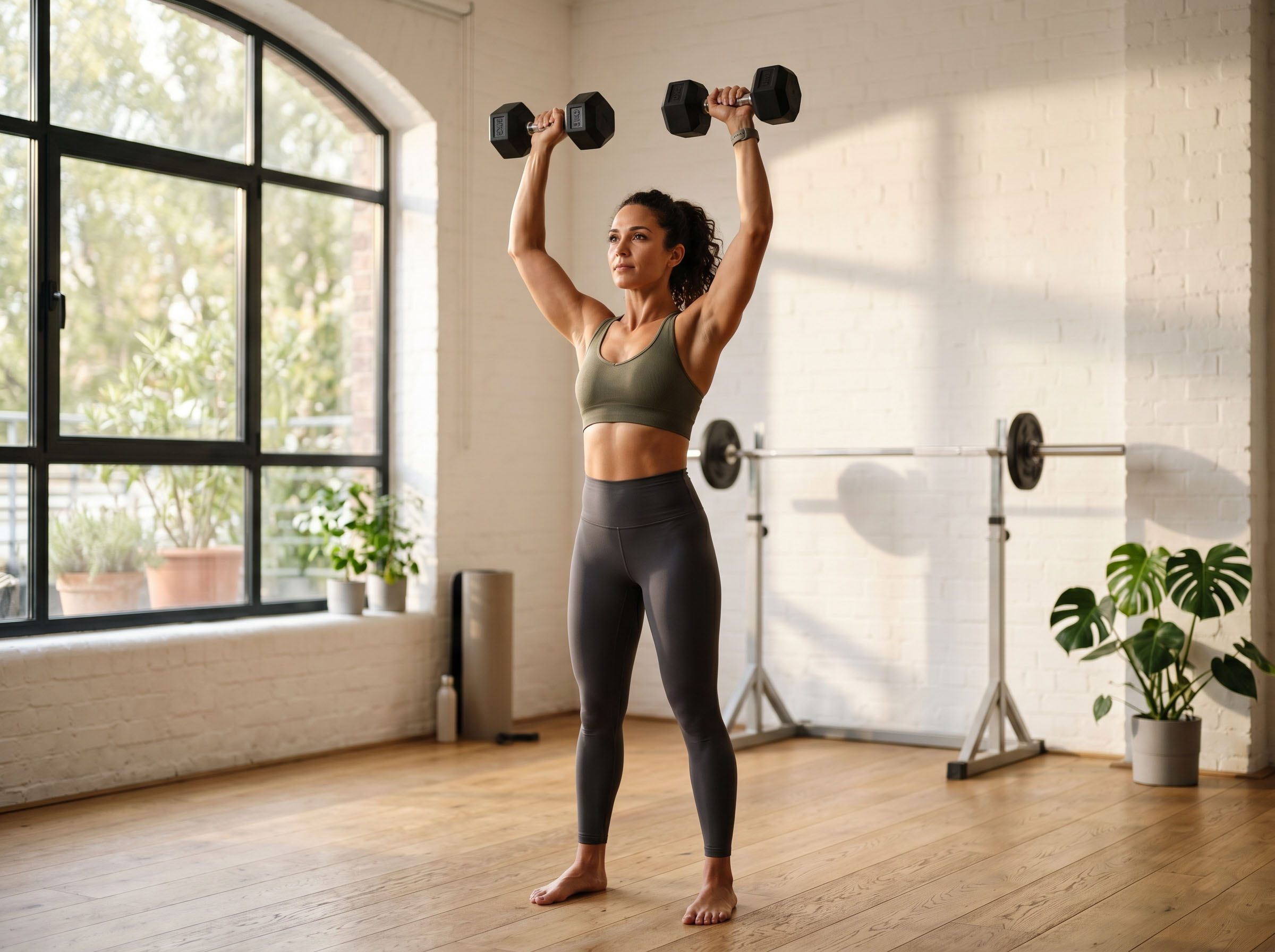
If cardio is a somewhat complicated conversation hormonally, resistance training is refreshingly straightforward: it is almost universally beneficial for women's hormonal health when programmed intelligently.
Lifting weights builds lean muscle mass, and muscle is metabolically active tissue. More muscle means better insulin sensitivity, healthier body composition, and a more robust metabolic rate — all of which support balanced estrogen levels. Because estrogen is metabolized in fat tissue as well as the liver, maintaining a healthy ratio of muscle to fat is directly tied to avoiding estrogen dominance, a common driver of symptoms like heavy periods, bloating, mood swings, and breast tenderness.
Strength training also triggers a meaningful release of growth hormone and testosterone — yes, women produce and need testosterone, though in smaller quantities than men. These hormones support lean muscle development, bone density, libido, and energy. Women who avoid lifting out of fear of "bulking up" are effectively opting out of one of the most potent anti-aging hormonal tools at their disposal.
There's also the cortisol angle. A well-structured strength session does raise cortisol acutely — that's normal and necessary. But the recovery from a strength session, especially when nutrition and sleep are on point, produces a significant growth hormone rebound that helps counterbalance that stress response. The net hormonal effect of resistance training, when programmed appropriately, tends to be deeply positive.
Combining the Two: Where the Balance Lives
Most women do best with a weekly structure that includes both modalities, weighted toward resistance training, with cardio used as a complement rather than a centerpiece. A reasonable starting framework looks something like this: two to three days of full-body or split strength training, two days of low-to-moderate intensity cardio like walking or cycling, and one or two rest or active recovery days built in by design, not accident.
The biggest mistake women make when designing their own programs is treating every day like a high-output day. The body doesn't build hormonal resilience through constant stress — it builds it through intelligent alternation between effort and recovery. Recovery isn't passive; it's where adaptation happens.
One practical upgrade is to think about sequencing within a single week. Doing a strength session followed the next day by a gentle walk or yoga practice is far more hormonally friendly than stacking a heavy lift directly after an intense run session. Pairing high-output with low-output across consecutive days helps cortisol return to baseline before the next demand is placed on the system.
It also helps to look at your month — not just your week. Most women experience significantly more energy, strength, and recovery capacity in the first two weeks of their cycle (the follicular phase, when estrogen is rising) than in the ten to fourteen days before their period (the luteal phase, when progesterone is dominant). Scheduling your most demanding workouts in the first half of your cycle and scaling back intensity — not necessarily volume — in the second half is a practical, evidence-informed adjustment that pays real dividends over time.

Training Reference
Training by Cycle Phase: A Simple Framework
* Cycle length varies between women. This framework is a starting point — track your own patterns for best results.
Cortisol: The Hormone No One Talks About Enough
Cortisol is often cast as the villain in wellness conversations, but the truth is more nuanced. Cortisol is essential — it regulates blood sugar, moderates inflammation, manages the sleep-wake cycle, and provides the energy surge that gets you through a demanding day. The problem isn't cortisol itself. It's chronic cortisol elevation without adequate recovery.
For women managing careers, households, children, and relationships, the baseline cortisol load before any exercise is often already significant. When training adds additional cortisol on top of an already taxed system, the cumulative effect can suppress thyroid function, disrupt progesterone production, and trigger the kind of stubborn fat storage around the abdomen that no amount of additional cardio seems to fix.
This is where many women get stuck in a frustrating loop: doing more, working harder, eating less — and feeling worse. The answer is almost never to push harder. It's to manage the total stress load: lift with purpose, walk daily, sleep aggressively, and protect recovery windows the same way you protect workout appointments.
Worth Noting
Chronic overtraining can mimic the hormonal symptoms of perimenopause — fatigue, irregular cycles, mood instability, poor sleep, and weight gain despite caloric restriction. If these symptoms are familiar, reducing exercise volume (not intensity alone) while prioritizing protein and sleep often produces faster results than any new training program.
The Role of Strength Training After 35
If there is one demographic that stands to gain the most from a structured resistance training program, it is women in their mid-thirties and beyond. Beginning around age 35, women start to experience a gradual but meaningful decline in estrogen and growth hormone production — and muscle mass, bone density, and metabolic rate all begin to shift in response.
Strength training is the most direct intervention available. Progressive overload — the practice of consistently increasing demands on the muscle over time — drives bone remodeling, preserves lean mass, and keeps the metabolic rate from declining as sharply as it would in a sedentary body. Women who lift regularly through their thirties and forties consistently report better energy, stronger body composition, improved sleep, and more stable moods than women who rely on cardio alone.
The concern about "getting bulky" is worth addressing directly. Building significant muscle mass requires a caloric surplus, high training volume, and in many cases genetic predisposition. The vast majority of women who lift weights two to three times per week will develop muscle tone, a leaner silhouette, and improved strength without any unwanted bulk. The women who look noticeably muscular have trained specifically and deliberately for that outcome — it does not happen accidentally.
By the Numbers
3–5%
Muscle mass women can lose per decade after 30 without resistance training
2×
Women are more than twice as likely as men to develop insulin resistance without regular physical activity
30 min
Minimum brisk walking time linked to measurable improvements in hormonal markers in sedentary women
150%
Increase in growth hormone response from resistance training versus steady-state cardio alone
Practical Cardio: Choosing the Right Kind for Your Body
Not all cardio is created equal from a hormonal standpoint, and matching the type of cardio to your goals and current hormonal state makes a meaningful difference.
Walking is, without exaggeration, one of the most underrated hormonal health interventions available. A 30-minute daily walk after meals improves insulin sensitivity, keeps cortisol in check, supports lymphatic drainage, and has been shown to meaningfully reduce stress hormone levels. It requires no recovery time, no equipment, and produces none of the inflammatory byproducts that intense cardio can generate. If you do nothing else this week, walk.
Cycling and swimming offer slightly higher intensity with low joint impact — useful for building cardiovascular fitness without the repetitive mechanical stress that running can place on the body. Both are well-tolerated hormonally when kept at moderate intensity.
Dance-based movement — from structured classes to simply moving in your kitchen — deserves more credit than it typically gets. It combines cardiovascular work with coordination, rhythm, and joy, which matters neurochemically. Dopamine and serotonin responses to pleasurable movement are part of the hormonal picture too, and consistent positive engagement with movement builds a more sustainable relationship with fitness than discipline-driven approaches alone.
High-intensity interval training has genuine benefits when used strategically: improved VO2 max, growth hormone release, and metabolic flexibility. Schedule it no more than two times per week, never in the luteal phase if you're hormonally sensitive, and always follow it with at least 48 hours before your next demanding session.
"A 30-minute daily walk after meals improves insulin sensitivity, keeps cortisol in check, and requires no recovery time. If you do nothing else this week, walk."
Pelvic Floor, Core, and the Hormonal Connection
No conversation about women's fitness and hormonal health is complete without acknowledging the pelvic floor. The pelvic floor — the group of muscles that form the base of the pelvis — is directly influenced by hormonal shifts throughout the cycle, during pregnancy, postpartum, and across the perimenopause transition.
Estrogen, in particular, plays a direct role in maintaining the elasticity and strength of pelvic floor tissues. As estrogen declines, the pelvic floor becomes more susceptible to weakness and dysfunction. This is why pelvic floor symptoms — including leaking, pelvic pressure, or discomfort during exercise — often intensify in the luteal phase and in the years approaching menopause.
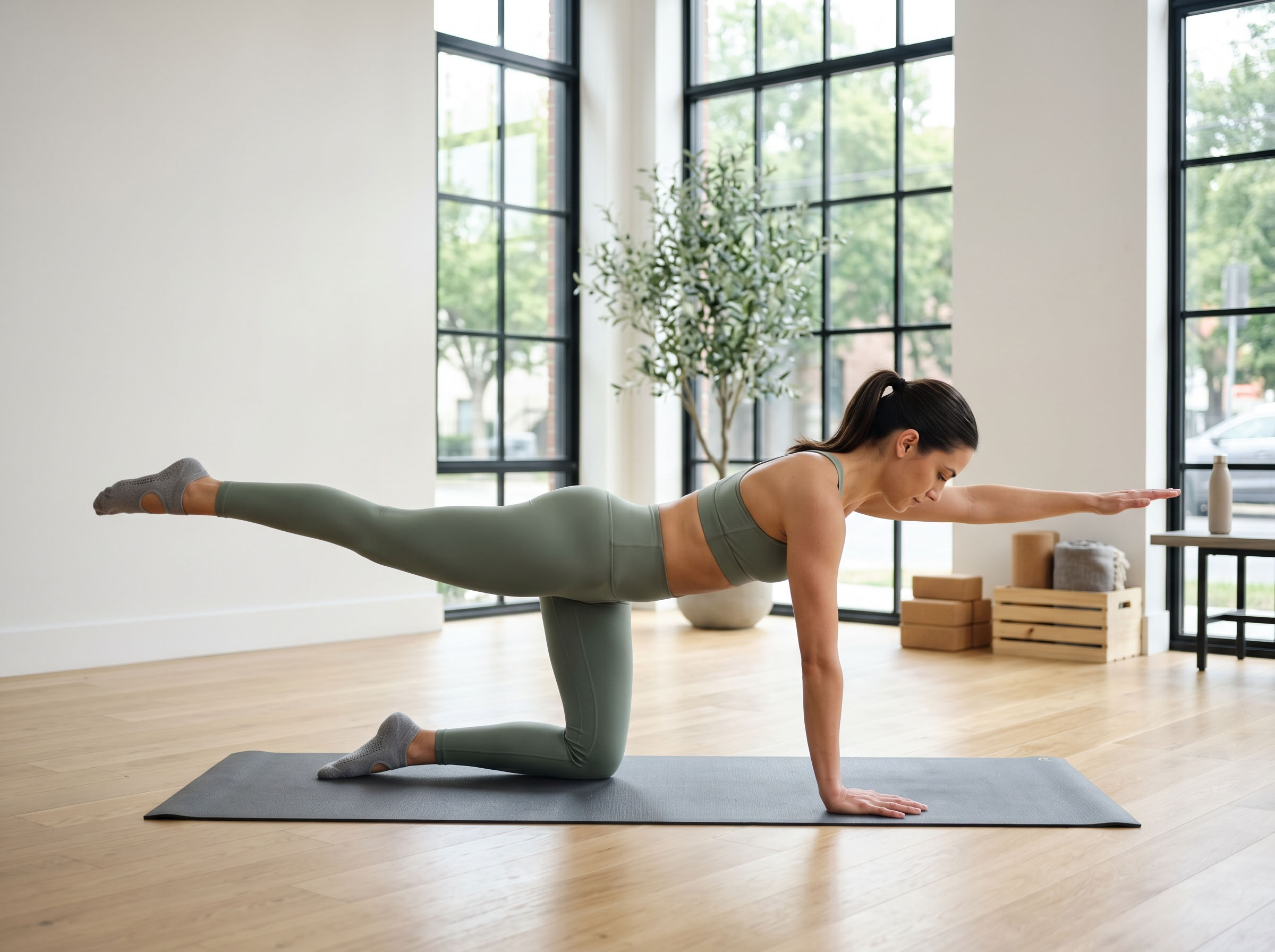
Incorporating intentional pelvic floor work into a fitness routine isn't about doing more Kegels. It's about understanding how the pelvic floor functions as part of the larger core system — working in coordination with the diaphragm, deep abdominals, and spinal stabilizers. Yoga, Pilates, and functional movement patterns all train this integrated system when practiced with attention to breath and alignment.
Women with pelvic floor symptoms who are also doing high-impact exercise — running, jumping, heavy lifting — would do well to consult a pelvic floor physiotherapist before pushing intensity further. The investment is almost always worthwhile.
Nutrition as the Missing Piece
Exercise does not exist in a vacuum. The hormonal outcomes of your training are heavily mediated by what you eat around it — and the most common error is under-fueling. Women who train consistently while eating too little create a caloric deficit that reads as chronic stress to the body. The hormonal response is predictable: cortisol rises, thyroid output dips, progesterone production falls, and performance plateaus despite sustained effort.
Adequate protein is non-negotiable. Muscle synthesis, hormonal production, immune function, and neurotransmitter regulation all depend on amino acid availability. A target of roughly 0.7 to 1 gram of protein per pound of bodyweight daily is a practical starting point for active women — higher if you're in a phase of active muscle building.
Carbohydrates matter too, particularly around training. The cultural pressure on women to minimize carbohydrate intake has produced a generation of women training on chronically depleted glycogen stores. Adequate carbohydrate intake before and after strength sessions supports cortisol recovery, replenishes muscle glycogen, and fuels the kind of performance that makes training effective. This is not an invitation to eat everything — it's an acknowledgment that strategic fueling is part of the hormonal balance equation.
Healthy fats are equally important. Hormones, including estrogen, progesterone, cortisol, and testosterone, are synthesized from cholesterol. Women on very low-fat diets frequently report hormonal disruptions — irregular cycles, low libido, poor sleep — that resolve when fat intake is restored to a reasonable level. Avocado, olive oil, fatty fish, eggs, and whole-food dairy sources all support this baseline need.
Try This at Home
The 2-Week Hormonal Reset Protocol
- Walk 30 minutes daily — non-negotiable, replace with yoga on tired days only
- Lift weights 2x this week — full-body sessions of 35–45 minutes
- Eat protein at every meal (eggs, chicken, Greek yogurt, legumes, fish)
- Cut alcohol to zero for 14 days — it directly suppresses progesterone
- Sleep 7.5–9 hours — use a consistent bedtime and wake time
- Track your energy and mood daily in a simple notebook
- After 14 days, review your notes — then layer in one more training day
Sleep: The Hormonal Anchor Your Training Needs
No training program produces its intended hormonal outcomes without sleep. Growth hormone is secreted primarily during deep sleep. Cortisol rhythm resets overnight. Leptin and ghrelin — hormones that govern hunger and satiety — are profoundly disrupted by sleep deprivation, which is one reason poor sleep so reliably leads to increased appetite, poor food choices, and weight gain despite maintained exercise habits.
For women with demanding schedules, sleep is often the first thing sacrificed and the last thing restored. But no supplement, no additional training session, and no dietary strategy compensates for chronic sleep debt at a hormonal level. Seven to nine hours for most women, at consistent times, is a foundation — not a luxury.
The connection between sleep and exercise is bidirectional: regular strength training has been shown to improve sleep quality, particularly slow-wave sleep, which is the most hormonally restorative phase. Building the fitness habit builds the sleep habit, and vice versa. Getting both right is a compounding investment with returns that show up across every dimension of health.
Frequently Asked
Your Questions, Answered
Building a Practice That Lasts
Hormonal balance through exercise isn't a destination — it's an ongoing relationship between your body and your habits. The most effective programs are not the most intense ones. They are the most consistent ones, built on an honest understanding of what the female body needs: adequate resistance training to preserve muscle and metabolic function, appropriate cardiovascular work to support cardiovascular health without pushing cortisol into chronic elevation, real recovery built into the architecture of every week, enough food to fuel the demands being placed on the system, and enough sleep for the hormonal reset that only happens overnight.
Women who build this kind of practice — sustainable, intelligent, and attuned to their own cycles — consistently report that it changes not just how their bodies look and function, but how they feel in themselves day to day. The energy steadies. The mood stabilizes. The sleep deepens. The body begins to feel like an ally rather than a problem to be solved.
That outcome is available to most women, most of the time. It doesn't require an elite training program or a perfect diet or a flawlessly managed schedule. It requires understanding a few key principles — and then actually applying them, week after week, with patience and care for your own body.
That, more than any specific exercise or supplement, is where hormonal balance is built.
In Brief
- Strength training 2–3x weekly is the hormonal cornerstone of any women's fitness program
- Daily walking is one of the most effective and underrated hormonal health tools available
- High-intensity cardio more than 2x weekly without recovery elevates cortisol and suppresses progesterone
- Cycle phase awareness allows training intensity to align with hormonal capacity
- Under-eating is as hormonally disruptive as overtraining — protein and healthy fats matter
- Sleep is where hormonal recovery actually happens — no training program compensates for chronic sleep debt
- Pelvic floor health is directly tied to estrogen levels and should be part of any women's fitness practice
Research & Further Reading
For a deeper look at how resistance training affects hormonal markers in women, the hormonal responses to resistance training in women across the menstrual cycle — research via the National Library of Medicine provides a thorough evidence base.
The American College of Sports Medicine's guidance on physical activity guidelines for women's health and long-term wellbeing is also an excellent reference for structuring a sustainable training program.
Disclaimer: This content is for informational and educational purposes only and does not constitute medical advice. It is not intended to be a substitute for professional diagnosis or treatment. Always consult with a qualified healthcare provider regarding any medical condition or treatment plan. Never disregard professional medical advice because of something you have read here.